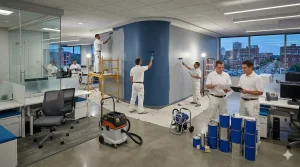

Understanding the Science of Cold Weather Exterior Painting
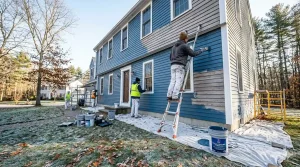
Homeowners in New England often wonder if they missed their window of opportunity when the autumn leaves fall and the chill sets in. The traditional advice always stated that exterior painting should only happen during the warm summer months. However, the home improvement industry has evolved dramatically over the past few decades.
In the year 2026, advanced chemical engineering has completely transformed how professional painters operate. We now have access to specialized coatings that perform exceptionally well in lower temperatures. You no longer have to wait until spring to protect your home from the harsh winter elements.
A successful cold weather painting project depends entirely on understanding the science behind the products. It is not just about slapping color on a wall, it involves a complex process of adhesion and curing. When the ambient temperature drops, the physical properties of liquid paint change significantly.
As a trusted local business and dedicated painting contractor, we know exactly how to navigate these seasonal challenges. Our team uses premium weather resistant paint formulated specifically for the fluctuating climates of New Hampshire and Massachusetts. We carefully monitor every environmental factor to ensure a flawless and durable finish.
How Temperature Affects Paint Adhesion and Curing
The Molecular Process of Paint Film Formation
Every bucket of paint contains a precise mixture of pigments, binders, and liquid carriers. The binders are the crucial ingredients that fuse together to create a solid protective film on your siding. For this chemical reaction to happen correctly, the temperature must remain within a specific range.
When the weather is too cold, the binders struggle to coalesce and form a continuous layer. If standard summer paint is applied in freezing conditions, it will likely dry as a powdery and weak film. This improper curing leads to premature peeling, cracking, and a complete failure of the coating.
To combat this, manufacturers like Sherwin Williams and Benjamin Moore have developed incredible low temperature formulas. These modern acrylic latex paints contain specialized coalescing agents that force the binders to merge even in the cold. We exclusively use these premium paint brands to guarantee the longevity of your home renovation.
Paint Viscosity and Application Challenges in the Cold
It is also vital to understand that cold air thickens the viscosity of the paint in the bucket. A thicker consistency makes the application process much more difficult and requires a highly skilled hand to avoid brush marks. Our professional painting services include specific techniques to maintain the perfect flow and leveling of the material.
We might use specialized heating blankets or keep the paint cans indoors until the very moment of application. This ensures the paint flows correctly and creates a uniform finish. These meticulous steps are what make our commercial painting and residential services so successful in challenging conditions.
The Difference Between Dry Time and Cure Time in Winter
Extended Timelines for Complete Hardening
One of the most common misunderstandings in the painting industry is the difference between drying and curing. Dry time refers to how long it takes for the liquid carrier, usually water or solvents, to evaporate from the surface. When the paint feels dry to the touch, you can safely apply a second coat without smearing the first.
Cure time is a much longer and more complex chemical process. Curing is the period required for the paint film to reach its maximum hardness and ultimate durability. While a wall might feel dry in a few hours, the actual curing process can take several weeks to fully complete.
In cold weather, both of these timelines are significantly extended. A product that dries in two hours during July might take six or eight hours to dry in November. Our expert painters always adjust our scheduling to accommodate these extended drying times.
The Silent Danger: Freezing Before Drying
If the temperature drops below freezing before the paint has properly dried, ice crystals can form within the coating. This freezing action destroys the structural integrity of the paint, causing it to fail immediately. We constantly monitor the hourly weather forecast to ensure your exterior painting project is perfectly timed.
We strictly follow a “rule of thumb” to stop painting at least four to five hours before the forecast temperature hits freezing. This allows the paint enough “dry time” to build some internal strength against the cold. Your investment in your property’s curb appeal is always our highest priority.
Monitoring Ambient vs Surface Temperatures
The Crucial Substrate Temperature Lag
When planning a winter painting schedule, looking at the thermometer on your porch is not enough. There is a massive difference between the ambient air temperature and the actual surface temperature of your house. The air might feel relatively mild, but a wall sitting in the shade can be freezing cold.
The substrate, whether it is wood siding or fiber cement, holds onto cold much longer than the surrounding air. Applying warm paint to a freezing surface creates a thermal shock that ruins adhesion. We always use infrared thermometers to check the exact temperature of the siding before we open a single can.
We have a detailed chart of minimum application temperatures for every product we use. If the surface temperature does not meet that specification, we do not paint. This level of meticulous detail ensures your home improvement project is a long-lasting success.
| Temperature Metric | Definition | Critical Importance for Painting |
| Ambient Air | The general temperature of the outside air | Determines if the paint can safely leave the brush |
| Surface Substrate | The actual physical temperature of the siding | Dictates if the binders will properly adhere to the house |
| Dew Point | The temperature where moisture forms in the air | Prevents condensation from ruining the fresh finish |
Strategizing Your Painting Path: Following the Sun
Direct sunlight plays a massive role in our daily workflow. A wall facing the southern sun will be significantly warmer than a northern exposure shaded by trees. We strategically follow the sun around your property to paint surfaces when they are naturally heated.
We will start on the east side in the morning, move to the south and west through the midday, and finish early on the north side. This specialized method maximizes the time the paint has to cure at the highest possible temperature. Our residential painting crews are masters of this logistical dance.
Managing Humidity and Moisture During the Curing Process
Understanding High Winter Humidity Risks
Cold air typically holds less moisture than warm air, but winter humidity still presents a major challenge for painters. If the moisture levels are too high, the water inside an acrylic latex paint cannot evaporate into the atmosphere. This essentially traps the paint in a liquid state, extending the dry time indefinitely.
We use hygrometers on-site to verify that the relative humidity is at a safe level. If the air is too saturated, the paint film simply cannot form. This risk is particularly high during our coastal storms or the early morning hours in Hillsborough County.
Condensation and the Dew Point: An Unseen Enemy
The dew point is the most critical atmospheric metric we track during a cold weather project. If the surface temperature of your home drops below the dew point, invisible condensation will form on the siding. Painting over this microscopic layer of water guarantees that the paint will blister and peel off in the spring.
Frost is another silent enemy of late autumn and winter exterior painting. If frost forms on a freshly painted surface that has not completely cured, it will lift the paint right off the wood. We strictly stop painting early in the afternoon to allow the surface enough time to dry before the evening frost settles.
Our local business never rushes a job if the environmental conditions pose a threat to our quality standards. We are deeply committed to providing flawless execution on every single project, no matter the season.
Essential Surface Preparation Before Winter Painting
Meticulous Cleaning and Power Washing Precautions
The secret to a beautiful and lasting paint job is always in the preparation phase. This rule becomes even more critical when dealing with cold weather applications. If the surface is not meticulously cleaned and prepared, even the most expensive low temperature paint will fail.
Power washing is the standard first step, but it must be handled with extreme care in the cold. If water is forced into the wood siding and then freezes overnight, it will expand and cause severe structural damage. We allow ample time, sometimes several days, for the exterior to completely dry after the washing phase.
Strategic Scraping and Feathering Edges
Scraping away loose, flaking, and blistering old paint is a tedious but necessary task. Cold weather actually makes some old acrylic paints brittle, which can sometimes make the scraping process more efficient. We sand the edges of the remaining paint to create a smooth, feathered transition for the new coat.
We also use specialized wire brushes and orbital sanders to ensure every inch of the surface is sound. This meticulous attention to detail is why our finish carpentry and painting services are recognized for their exceptional quality. We never compromise on a solid foundation.
Locking Down Chalky Residue with Specialized Primers
We also meticulously check for any chalky residue left behind by oxidized finishes. If you apply fresh paint over a chalky surface, it will simply peel off like tape on a dusty floor. We use specialized bonding primers to lock down these chalky surfaces and create a solid foundation for the topcoat.
This chalky dust is a common issue with older paints in New England. Our professional painting services include a complete evaluation of the existing coating to determine the correct priming strategy. Leaving no stone unturned in the preparation phase is the Marco’s Painting promise.
Detecting and Repairing Exterior Wood Rot
Inspecting High Risk Spots: Beyond Spongy Wood
Before we apply any coatings, we conduct a thorough inspection of your home’s exterior envelope. Wood rot is a pervasive issue in New England due to our cycles of heavy rain, snow, and humidity. Painting over rotted wood is a massive disservice to the homeowner and a practice we strictly avoid.
Soft, spongy wood near the ground, around window sills, and at the bottom of door frames are common trouble spots. Fungi thrive in these moist areas, literally eating away the structural integrity of your trim. If left unchecked, this rot will spread deep into the framing of your house.
We also pay close attention to end-grain wood, such as the bottom of corner boards or the ends of siding clapboards. These areas absorb water like a sponge and are prime targets for fungal decay. Our inspection process is thorough, identifying issues that a less experienced painting contractor might miss.
Integrated Carpentry: Removing and Replacing Rotted Wood
Because we are a comprehensive contractor, our team includes experts in carpentry services. We do not just paint over problems, we physically remove the diseased wood and replace it with durable materials. Our finish carpentry skills ensure that the new trim perfectly matches the historical character of your property.
By integrating this preparation directly into the painting workflow, we save you the hassle of hiring multiple contractors. We expertly handle the door and window framing preparation, ensuring your home is watertight before the winter storms hit. This dual expertise in painting and carpentry sets us apart in the Hillsborough County region.
The Role of Caulking and Sealing in Cold Weather
Solving Stiffness and Freezing Issues with Advanced Sealants
Caulking is the final line of defense against freezing drafts and moisture intrusion. Every gap between your siding and your window frames must be properly sealed to protect your home’s energy efficiency. However, traditional acrylic caulks become incredibly stiff and difficult to tool when the temperature drops.
If caulk is applied in freezing weather, it can freeze before it cures, completely destroying its elasticity. When the wood expands and contracts with the changing seasons, a frozen caulk line will crack instantly. This leaves your home vulnerable to water damage and skyrocketing heating bills.
To solve this, we utilize premium elastomeric sealants designed specifically for extreme weather applications. These advanced products remain flexible even in freezing temperatures, allowing us to thoroughly seal your home year round. We inspect and replace every failing seam on your exterior as part of our comprehensive preparation process.
How Different Siding Materials React to Cold Weather
Painting Wood Clapboards and Shingles in the Cold
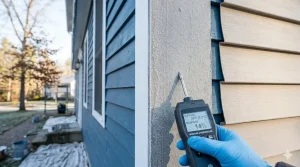
Wood siding, such as cedar clapboards or shingles, is highly porous and sensitive to moisture content. If wood siding is painted while it contains too much internal moisture from autumn rains, the paint will blister. We use digital moisture meters to verify that the wood is dry enough to accept a fresh coat of primer.
We also pay attention to how wood siding expands in the cold. It may not move as much as vinyl, but the seasonal changes still put stress on the paint film. A flexible acrylic primer and a durable low temperature topcoat are essential for a long-lasting wood finish.
Painting Fiber Cement (James Hardie) Siding in the Cold
Fiber cement siding, like James Hardie board, is incredibly durable but requires specific pH balancing before painting. While it is highly resistant to rot, it still needs to be perfectly clean and dry. It holds cold temperatures longer than wood, meaning we must be extra vigilant about tracking the surface temperature.
We use specialized acrylic latex primers designed to bond with the unique surface of fiber cement. This is a task that requires specialized technical knowledge, which our team of interior construction experts possesses. We guarantee a flawless result on all your fiber cement surfaces.
Special Techniques for Painting Vinyl Siding in the Cold
Vinyl siding presents the most unique challenge for any exterior painting project. Vinyl naturally expands and contracts heavily with temperature fluctuations. If painted with a dark color in the cold, the siding can severely warp and buckle when the hot summer sun finally hits it. We only use specialized vinyl safe paint colors formulated to reflect heat and prevent this structural warping.
We also meticulously examine the siding for any cracks or damage caused by the freezing and thawing cycle. Applying paint over damaged vinyl is another practice that will lead to premature failure. Our comprehensive approach ensures your home renovation stands up to the New England elements.
Integrating Carpentry Services with Your Painting Project
Upgrading Aesthetic Details with Finish Carpentry
A beautiful paint job can only do so much if the underlying architecture of your home is failing. Many homeowners do not realize their trim is damaged until the painters are already on the ladders. Finding out you need a carpenter in the middle of a painting project usually causes massive delays and frustration.
Because Marco’s Painting offers specialized carpentry services, we handle these unexpected issues immediately. We provide expert interior trim carpentry and exterior finishing without needing to pause the project. Our team seamlessly transitions from replacing a rotted fascia board to priming and painting it perfectly.
We also specialize in upgrading your exterior aesthetic through custom woodwork. If you want to enhance your home’s curb appeal with new crown molding and baseboards around your entryways, we can build it. We understand how different wood species accept paint, ensuring a flawless finish on every architectural detail.
Why Hiring a Professional Painting Contractor is Crucial
Advanced Safety Protocols and Liability Insurance
Tackling an exterior painting project yourself is a daunting task, even in perfect summer weather. Attempting a DIY project in the cold is incredibly risky and often leads to expensive mistakes. The margin for error regarding temperature, moisture, and curing times is simply too small for amateurs to manage.
Professional painting services bring speed, efficiency, and deep technical knowledge to the job site. We have the equipment to move quickly and capitalize on the warmest hours of the day. A team of experts can prep and paint a large section of your house before the afternoon temperature drops.
Safety is another massive factor when dealing with cold weather property maintenance. Climbing tall, frosty ladders while carrying heavy buckets of paint is extremely dangerous. Our crews are fully trained in advanced safety protocols and carry comprehensive liability insurance to protect your property.
Strict Adherence to Manufacturer Specifications for Warranties
Furthermore, premium paint manufacturers often void their warranties if the product is applied incorrectly. By hiring a certified local business like ours, you ensure that all manufacturer specifications are strictly followed. This guarantees that your home is protected by solid warranties, giving you ultimate peace of mind.
Our use of the best paint brands like Sherwin Williams and Benjamin Moore means we also have access to their technical support teams. We can get instant answers for any complex environmental challenges we face on-site. This level of professional support is not available to the average homeowner.
Choosing the Right Primer for Winter Applications
Selecting Primers Based on Siding Material and Conditions
Many homeowners ask if primer is always necessary, and in cold weather, the answer is an absolute yes. Primer acts as the crucial bonding bridge between the raw siding and the final topcoat. It penetrates deep into the substrate, locking down fibers and creating a uniform surface for the paint to grip.
Standard water based primers can struggle to dry properly when the temperature hovers near freezing. In specific low temperature scenarios, we may opt for premium alkyd or specialized acrylic bonding primers. These advanced products are engineered to cure rapidly and block tough stains, even in less than ideal weather.
Alkyd Primer for Deep Sealing and Moisture Resistance
Alkyd primers, which are oil based, have incredible penetration and waterproofing properties. They are often our go-to choice for raw wood repairs or extremely porous siding. They can also often be applied in slightly lower temperatures than acrylic water based products.
We use high-quality alkyd primers that are also low VOC to minimize environmental impact. This choice of materials is a key indicator of our high-quality craftsmanship and technical expertise in exterior painting.
High-Bond Acrylic Primer for Maximum Flexibility
In situations where a flexible finish is critical, a premium acrylic bonding primer is a strong alternative. These primers create a incredibly flexible film that moves with your siding, reducing the chance of cracking. We always evaluate the specific substrate and conditions to make the most durable choice for your home improvement project.
Skipping the primer step is the fastest way to guarantee a peeling paint job by next spring. We never cut corners on preparation, because the longevity of your investment depends on this foundational layer. A properly primed house will hold its color and resist weathering for many years to come.
Commercial Painting Services in the Cold Season
Minimal Disruption for New Hampshire Business Owners
Business owners face unique challenges when scheduling property maintenance. Closing your doors for a renovation directly impacts your revenue and disrupts your daily operations. That is why late fall and winter can actually be the perfect time for commercial painting services.
Our team is highly experienced in managing commercial projects with minimal disruption to your staff and customers. We can schedule our exterior work during the warmest parts of the day, carefully managing the environment. By utilizing fast drying, low odor coatings, we ensure your business remains presentable and professional.
Selecting Industrial Grade Coatings for Durability
Protecting the exterior of your commercial building is vital for maintaining a strong brand image. Peeling paint and rotted trim send a negative message to potential clients walking through your doors. A fresh, crisp exterior significantly improves your curb appeal and demonstrates that you care about quality.
We understand the specific durability requirements for high traffic commercial areas. We use industrial grade coatings that withstand heavy wear and tear, protecting your commercial investment for the long term. Our expert advice helps you select the right materials that balance cost and long-term performance.
Protect Your New Hampshire Home This Season
Your home is your sanctuary, and protecting its exterior shell is your most important maintenance responsibility. Do not let the changing seasons deter you from making necessary improvements; with the right materials and expert knowledge, professional execution ensures that your property remains completely protected against the elements in 2026 and beyond.
To guarantee the durability and beauty of your home’s exterior, we prioritize:
Meticulous Structural Repair: We combine premium painting with expert carpentry services, identifying and restoring soft wood or structural fatigue before applying high-performance finishes.
Winter Moisture Defense: If you have noticed peeling paint or fading colors, acting now is essential. Our team provides a comprehensive plan to seal your home’s envelope, preventing expensive moisture damage during the colder months.
Hillsborough and Rockingham Expertise: Serving our neighbors across New Hampshire and Massachusetts, we understand the specific environmental demands of our region, ensuring every finish is engineered for long-term resilience.
Don’t wait for spring to give your home the protection it deserves. Contact us today to schedule a thorough evaluation of your property and secure your spot on our schedule, or call our dedicated professionals directly at: (508) 978-2706
Expert Exterior Painting Services Near You
Delaying necessary repairs only allows the harsh New England climate to cause further damage. Marco’s Painting is committed to elevating the beauty and durability of homes throughout the region, providing specialized exterior solutions that stand the test of time.
Explore our dedicated service pages to learn more about our professional process in your community: