

- Fully Licensed & Insured
- Trusted for 3+ Years
Interior Painting Services
Professional Interior Coating Systems Delivered by a Licensed Painting Contractor Across Southern New Hampshire
Marco’s Painting operates as a specialized interior painting contractor serving residential and commercial properties throughout New Hampshire. Our interior painting services are structured as a professional capability focused on surface preparation, coating performance, finish consistency, and controlled project execution.
If you are planning to repaint interior spaces, schedule a professional interior painting evaluation to assess surface condition, preparation requirements, and coating selection.
- Fully Licensed & Insured Local Company
- Weather-Resistant, Long-Lasting Exterior Finishes
- Professional Surface Prep for Maximum Durability
- On-Time, Clean & High-Quality Workmanship
5-Star Reviews • Fully Licensed & Insured • Serving All of New Hampshire
Is Interior Painting Really Necessary?
Interior paint serves multiple purposes beyond appearance. It protects interior surfaces from wear, improves cleanability, and maintains the overall condition of walls, ceilings, and trim components.
Over time, interior coatings degrade due to daily use, cleaning cycles, moisture exposure, and environmental wear.
Interior painting becomes necessary when coatings can no longer maintain surface protection, aesthetic consistency, or stain resistance.
Common conditions indicating that interior painting services are required include:
- Visible scuff marks and surface abrasion
- Fading or uneven wall color
- Peeling or cracking paint layers
- Water stains or discoloration
- Drywall patching from previous repairs
- Stain bleed-through from previous coatings
- Surface wear near switches, doors, and hallways
Delaying repainting after these conditions appear often leads to more extensive surface preparation and repair work later.
A professional interior painting project restores coating durability, surface uniformity, and the visual quality of interior environments.
- WHAT WE OFFER
What’s Included in Our Interior Painting Service
Interior painting is performed as a controlled multi-stage process designed to ensure surface adhesion, coating durability, and finish uniformity.
Our interior painting services typically include the following phases.
1. Room Assessment and Scope Definition
Before any material is applied, every room in scope is assessed for substrate condition, existing coating adhesion, surface damage, moisture evidence, and areas requiring repair. This assessment determines the preparation scope, primer specification, finish type selection, and number of coats required for each surface. For pre-1978 structures, this phase includes identification of potential lead-containing coatings and activation of EPA RRP protocols where applicable. Room function is documented to drive finish selection, bathroom surfaces, kitchen walls, and high-traffic hallways each require different product and finish specifications.
2. Furniture Protection and Surface Masking
All furniture remaining in the room is moved to the center and covered with drop cloths and plastic sheeting. Floors are protected with canvas drop cloths. Electrical outlets, switch plates, fixtures, and hardware are masked or removed. Window and door casings are masked at the transition between trim and wall. Protection of the client’s property is treated as a non-negotiable phase, not an afterthought.
3. Surface Cleaning and Preparation
All surfaces to be painted are cleaned to remove dust, grease, smoke residue, mold, mildew, and any contamination that would compromise adhesion. Kitchen walls receive degreasing treatment. Bathroom surfaces are treated for mold and mildew prior to coating. According to PDCA Standard P1, the industry’s governing surface preparation standard, surface contamination is among the primary causes of interior coating failure. Surfaces that are not clean before painting will not hold a finish regardless of product quality
4. Surface Repair and Patching
All nail holes, screw holes, gouges, cracks, and surface damage are filled with spackling compound or joint compound appropriate for the repair depth and substrate type. Larger repairs involving drywall damage are addressed with mesh patch and joint compound, feathered and sanded to blend with the surrounding surface. Settlement cracks in plaster, common in Southern New Hampshire’s older colonial and Cape Cod homes, are filled, reinforced where necessary, and sanded smooth. The quality of the final painted surface is entirely dependent on the quality of the repair work performed beneath it.
5. Sanding and Feathering
All repaired areas are sanded to a smooth, uniform surface with edges feathered to eliminate visible transitions between patched and unpatched areas. Previously painted surfaces showing texture inconsistencies, brush marks, or roller stipple are sanded to improve uniformity. Final sanding dust is removed by vacuuming and tack cloth before any coating is applied.
6. Primer Application
Primer is applied to all bare drywall, repaired areas, stained surfaces, and any area where existing coating was removed. Primer specification is matched to the substrate and the condition: drywall primer for new or repaired surfaces, stain-blocking primer for water stains and smoke damage, shellac-based primer for tannin bleed on wood trim, and bonding primer for surfaces with adhesion risk. Primer is not optional on bare or repaired surfaces, skipping this step is the single most common cause of visible imperfections and premature finish failure on interior projects.
7. Paint Application
Finish coats are applied using the method appropriate for the surface type and room conditions. A minimum of two finish coats is standard on all interior projects. Ceilings are painted first, then walls, then trim — in that sequence — to maintain clean transitions and avoid cross-contamination between finishes. Paint products are selected based on room function, moisture exposure, traffic level, and VOC requirements. In New Hampshire homes sealed through winter heating season, low-VOC and zero-VOC formulations are specified by default to protect indoor air quality for occupants.
8. Cutting In and Detail Work
All edges, ceiling lines, baseboard transitions, window casings, door frames, and corner angles, are cut in by brush with precision before rolling. Clean lines at all transitions are a defining quality marker of professional interior painting and are treated as a distinct skill requirement, not a variable outcome. Trim, baseboards, crown molding, door frames, and window casings are painted with semi-gloss or high-gloss finish as specified, with clean separation maintained at all material transitions.
9. Final Inspection and Site Restoration
The completed project is inspected room by room against the original scope. All masking tape, drop cloths, and protective materials are removed. Furniture is returned to position. Hardware and switch plates are reinstalled. The site is restored to its pre-project condition, and the client is walked through every room before project close.
How Interior Painting Is Performed Safely
The method used to apply interior paint is a technical decision, not a preference. Application method directly affects film uniformity, edge precision, finish texture, dry time, and VOC dispersal rate within an occupied or recently occupied space. The wrong method for a given surface or room condition produces visible defects that cannot be corrected without full reapplication.
| Method | When It Is Used |
|---|---|
| Brush Application — Angle Sash | Cutting in at edges, trim work, door frames, window casings, crown molding, and all detail surfaces requiring precision line control |
| Roller Application — Standard Nap | Flat and low-texture wall surfaces in living rooms, bedrooms, hallways, and dining rooms where texture uniformity is required |
| Roller Application — Thick Nap | Textured or orange-peel wall surfaces requiring deeper coverage and paint penetration into surface texture |
| HVLP Sprayer | Cabinet painting, built-ins, trim runs in unoccupied spaces, and surfaces requiring a factory-smooth finish with no roller stipple |
| Brush-and-Back-Roll | Primer application on new drywall and repaired surfaces where forced penetration into the substrate is required for uniform sealing |
All application methods comply with manufacturer application guidelines for the specific products used on each project. Compliance with these specifications is required to maintain product warranty coverage and aligns with PDCA Standard P4, which governs interior application procedures and minimum workmanship quality benchmarks.
Ventilation is managed throughout the application and dry process. Windows are opened where weather permits, fans are deployed for air circulation, and HVAC systems are protected from paint particulate during sprayer operations. OSHA 29 CFR 1910.94 governs ventilation requirements for painting operations in occupied or semi-occupied structures, and Marco’s Painting operates in compliance with these standards on every interior project.
Common Interior Surfaces That Require Professional Painting
Interior painting must account for the behavior of different building materials and surface types.
| Interior Surface | Why Professional Painting Is Required |
|---|---|
| Drywall Walls | Requires smooth finishing and uniform coverage |
| Ceilings | Requires coatings that reduce glare and hide imperfections |
| Trim and Baseboards | Requires durable coatings resistant to scuffs |
| Doors and Window Frames | Requires smooth enamel finishes for durability |
| Plaster Walls | Requires sealing primer to stabilize porous surfaces |
| Wood Surfaces | Requires protective coatings to prevent staining |
Selecting the appropriate coating system ensures durable and consistent interior finishes.
Common Exterior Paint Failures and What Causes Them
Interior coatings can fail when surface preparation is incomplete or incompatible coatings are used.
| Paint Failure Type | Typical Cause |
|---|---|
| Peeling Paint | Poor surface adhesion due to inadequate preparation |
| Cracking Paint | Aging coatings losing flexibility |
| Stain Bleed-Through | Missing stain-blocking primer |
| Uneven Coverage | Improper paint application technique |
| Scuff Damage | Low-durability paint used in high traffic areas |
| Gloss Variation | Uneven drying or incompatible paint layers |
Professional interior painting prevents these problems through controlled preparation and proper coating systems.
Interior Paint Systems and Coating Technologies
Modern interior painting relies on advanced coating technologies designed for durability, washability, and visual consistency.
| Paint System | Characteristics |
|---|---|
| Acrylic Latex Paint | Flexible and durable coating for interior walls |
| Low-VOC Paint | Reduces odor and improves indoor air conditions |
| Enamel Paint | Durable coating for trim, doors, and cabinetry |
| Primer Systems | Improve adhesion and seal porous surfaces |
Selecting compatible paint systems improves long-term coating performance and easier maintenance.
Exterior Painting Challenges in New Hampshire's Climate
Interior surfaces experience constant exposure to daily wear, humidity variation, cleaning products, and mechanical contact.
Professional repainting is often required when surfaces develop conditions such as:
- Drywall dents caused by furniture movement
- Nail pops from drywall fastener movement
- Hairline cracks along drywall joints
- Smoke stains from fireplaces or cooking
- Water stains from leaks or condensation
- Scuff marks in high traffic areas
- Grease accumulation in kitchens
- Fingerprints near switches and doors
These issues indicate that the existing paint film has lost durability, stain resistance, or surface uniformity.
A professional repaint restores surface protection and visual consistency.
Recommended Paint Finishes for Different Interior Rooms
Different interior spaces require specific paint finishes designed for durability and cleanability.
| Room Type | Recommended Paint Finish | Reason |
|---|---|---|
| Living Room | Eggshell | Smooth appearance with moderate durability |
| Bedrooms | Eggshell or Satin | Balanced durability and low reflectivity |
| Kitchens | Satin | Resistant to grease and cleaning |
| Bathrooms | Moisture-Resistant Satin | Protects against humidity |
| Hallways | Satin | Durable finish for high traffic |
| Ceilings | Flat Paint | Reduces glare and hides imperfections |
| Trim and Doors | Semi-Gloss | Highly durable and washable |
Professional painters select finishes based on room function and environmental exposure.
Why Surface Preparation Is Critical Before Painting
Successful interior painting depends heavily on proper surface preparation.
| Surface Condition | Preparation Required |
|---|---|
| Drywall dents | Repair with joint compound |
| Nail holes | Fill with spackle and sand smooth |
| Hairline cracks | Apply flexible filler |
| Water stains | Use stain-blocking primer |
| Smoke damage | Seal surface before repainting |
| Uneven texture | Sand and level surface |
Skipping preparation often results in visible imperfections and premature coating failure.
Interior Painting Pricing in New Hampshire
Interior painting cost is determined by the scope of work, not by a room count or a flat rate. Price is a function of room size, ceiling height, surface condition, number of colors, finish specification, repair scope, and the number of coats required. Any estimate that does not account for these variables at the room level is not a reliable projection.
| Scope / Complexity | Estimated Price Range |
|---|---|
| Single room — standard size, good condition | $350 — $750 |
| Single room — large or high ceiling, minor repairs | $750 — $1,400 |
| Full interior — small home (2BR / 1BA) | $2,500 — $4,500 |
| Full interior — medium home (3BR / 2BA) | $4,500 — $7,500 |
| Full interior — large home (4BR+, open plan) | $7,500 — $14,000 |
| Trim, baseboards, and doors only | $800 — $2,500 depending on linear footage |
| Ceilings only (full home) | $1,000 — $3,000 depending on size and texture |
| Extensive repair scope (plaster, water damage, full prime) | Add $500 — $3,000 to base scope |
Pricing is influenced by:
Total painted surface area
Condition of existing coatings
Extent of drywall repairs
Paint system used
Trim and detail work
Ceiling height and accessibility
A professional evaluation ensures accurate and transparent project pricing.
Interior Painting Compared to Related Services
| Service | Objective | When It Applies |
|---|---|---|
| Drywall Repair | Structural restoration of damaged wall substrate | Required before painting when substrate damage exists — not a substitute for painting |
| Cabinet Painting | Factory-finish coating system for kitchen and bathroom cabinetry | Sub-category requiring specialized primers, spray application, and extended cure time — distinct from wall painting scope |
| Wallpaper Removal | Removal of existing wallcovering before painting | A prerequisite service when walls are covered — must be completed and walls fully prepped before painting proceeds |
| Popcorn Ceiling Removal | Removal of textured ceiling finish before smooth coating | A preparation service for ceilings — creates significant prep scope before painting can proceed |
| Exterior Painting | Protective coating for building envelope surfaces | Entirely different product specification, application window, and environmental exposure requirements |
| Color Consultation | Professional color selection and scheme development | A pre-painting service that informs product and finish specification — recommended before any full interior repaint |
| Interior Painting | Complete protective and finish coating system for all interior building surfaces | The primary maintenance and restoration solution for any interior surface showing coating failure, damage, or functional obsolescence |
Interior painting is the only service in this category that simultaneously addresses surface protection, moisture vapor management, washability, aesthetic function, and substrate preservation across the full interior building envelope.
Trust, Safety and Compliance
Professional interior painting requires trained painters, safe material handling, and proper property protection procedures.
Marco’s Painting follows protocols including:
Qualified interior painting professionals
Protective masking and containment
Low odor coating systems
Property protection during painting
Professional cleanup procedures
These safeguards ensure projects are completed safely and efficiently.
Why Choose Marco’s Painting for Interior Painting Services?
Marco’s Painting operates as a specialized painting contractor focused on professional interior coating systems.
The company prioritizes:
surface preparation quality
coating compatibility
finish consistency
long-term durability
Clients include:
Homeowners maintaining living spaces
Property managers preparing rental units
Retail operators refreshing interiors
Office spaces requiring professional finishes
Interior painting in New Hampshire requires careful material selection due to seasonal humidity and drying conditions.
Marco’s Painting structures its process around these environmental factors.
Custom Interior Painting for Every Room
At Marco’s Painting, our interior work is never one-size-fits-all. Every project is thoughtfully designed to align with your style, lighting, architecture, and vision, whether it’s walls, ceilings, trim, or complete home repainting.
A Google Guaranteed Painting Company
We earned our standing by delivering dependable Interior Painting Services with integrity and consistency. Clear timelines, clean execution, and professional finishes, no shortcuts, no surprises.
Locally Trusted Painting Experts
From historic interiors to modern homes, clients rely on us for high-quality craftsmanship you can see and long-term durability you can feel. Local experience, local trust.
Years of Crafting Beautiful Interiors
More than just painters, we’re interior specialists who bring expert guidance, premium materials, and refined techniques to every room.
Certified, Professional Painters
Our work is done by certified, licensed, insured professionals who care about quality at every level, from prep work to final inspection.
What Our Clients Say?
Real reviews from satisfied homeowners who trust our Interior Painting Services for clean work, premium finishes, and consistent results, every single time.
Posted onTrustindex verifies that the original source of the review is Google. Fast, clean, on time ...very affordable..Posted onTrustindex verifies that the original source of the review is Google. We were so happy with Marcos! He did an amazing job removing this old wallpaper throughout the house and painting the trim and walls! Looks brand new!! Would highly recd!!!Posted onTrustindex verifies that the original source of the review is Google. I Hired Marco for Interior painting last week, We are Very Happy with the Quality attention to detail , he's crew is professional, clean cut , not a drop of paint on the floor , they covered everything from using drop clothes , plastic my furniture. We are booking with him in a couple weeks for the exterior rot repairs and a fresh coat of paint on the exterior. I highly recommend Marco and his teamPosted onTrustindex verifies that the original source of the review is Google. Would hire them again. Marcos was very polite and accommodating. His crew did a very fine job, they were careful with our property using drop cloths and the finished work was impeccable.Posted onTrustindex verifies that the original source of the review is Google. Excellent interior painting work — clean lines, smooth finish, and great attention to detail. The place looks fresh and professionally done. Highly recommend!Posted onTrustindex verifies that the original source of the review is Google. Super recommended! They did a nice clean job. The owner gave me excellent recommendations, and made sure everything was done as promised.Posted onTrustindex verifies that the original source of the review is Google. I hired Marcos's painting for an interior job in my house and he went above and beyond my expectations!Posted onTrustindex verifies that the original source of the review is Google. We recently had our entire house painted by Marco's Painting, and we couldn't be happier with the results! The painters were professional, punctual, and incredibly clean. They took great care to prep the walls and use masking tape, ensuring a flawless finish. The colors were exactly what we wanted, and the paint job looks fantastic. The team was always communicative and addressed any questions we had promptly. We would highly recommend Marco's Painting to anyone looking for a professional and reliable painting company!Posted onTrustindex verifies that the original source of the review is Google. I recently had my house painted by Marcos, and I couldn’t be happier with the results! He did an absolutely beautiful job every detail was handled with care and precision. The finish looks amazing, and the whole house feels refreshed and vibrant. Marcos was professional, reliable, and easy to work with from start to finish. His attention to detail and commitment to quality really stood out. I would highly recommend Marcos to anyone looking for top-notch painting work. I’ve already told my friends and family about the great job he did, and I’ll definitely call him again for future projects!Posted onTrustindex verifies that the original source of the review is Google. I am grateful for the service from Marcos’s Painting provided in my home, for the punctuality, professionalism and quality, I highly recommend itVerified by TrustindexTrustindex verified badge is the Universal Symbol of Trust. Only the greatest companies can get the verified badge who has a review score above 4.5, based on customer reviews over the past 12 months. Read more
Technical Standards and Industry References
Interior painting practices align with recognized standards including:
Painting Contractors Association (PCA)
Publishes standards for surface preparation and coating application.
Sherwin-Williams Professional Coating Systems
Provides technical guidance on high-performance interior coatings.
- Frequently Asked Questions
Frequently Asked Questions — Interior Painting Services in New Hampshire
How long does an interior painting project take?
A single room in good condition typically takes one to two days including preparation, priming where required, and two finish coats with dry time between coats. A full interior repaint of a medium-sized home (three bedrooms, two bathrooms, living areas, and hallways) typically takes five to ten working days depending on surface condition, repair scope, and the number of colors specified. A detailed timeline is included in every written proposal.
Do I need to move all my furniture before the painters arrive?
Large furniture items should be moved out of the room or to the center of the space before the project begins if possible. Marco's Painting covers and protects all furniture and flooring remaining in the work area. For full home repaints, a phased room-by-room approach can be used to minimize disruption in occupied homes where moving all furniture simultaneously is not practical.
What paint finish should I use in each room?
Finish selection is determined by room function, traffic level, and moisture exposure. Flat or matte finishes work well for low-traffic rooms and ceilings. Eggshell is appropriate for living rooms and dining rooms. Satin is recommended for kitchens, bathrooms, hallways, and children's rooms where washability is required. Semi-gloss and high-gloss are specified for trim, doors, cabinets, and bathroom walls. Marco's Painting provides finish recommendations for every room as part of the scoping process — the correct finish is documented in the written proposal.
Are the paints you use safe for children, pets, and people with allergies?
Yes. Marco's Painting specifies low-VOC and zero-VOC paint formulations from Sherwin-Williams and Benjamin Moore as the default for all occupied interior projects. In New Hampshire homes sealed through the heating season, VOC management is a technical requirement — not an optional upgrade. Zero-VOC paints contain fewer than 5 grams per liter of volatile organic compounds and are safe for occupied environments shortly after application and initial off-gassing.
How soon can we reoccupy the painted rooms?
Most interior latex paint formulations are dry to touch within one to two hours and safe for normal room re-occupancy within 24 to 48 hours with adequate ventilation. However, dry time and cure time are not the same condition. Full cure — the point at which the paint film reaches maximum hardness, washability, and chemical resistance — takes two to four weeks. During the cure period, surfaces should be cleaned only with a lightly damp cloth. Applying chemical cleaners or scrubbing a freshly painted wall before full cure removes the paint film, requires recoating, and is not covered under workmanship warranty. This distinction is critical for clients with children or pets who clean walls frequently.
Does Marco's Painting handle lead paint in older homes?
Yes. With approximately 63% of Nashua's housing units built before 1980, lead-based paint is a routine presence in the Southern NH market. Marco's Painting follows EPA Renovation, Repair, and Painting Rule (40 CFR Part 745) protocols for all work on pre-1978 structures, including containment procedures, lead-safe work practices, and proper disposal of lead-containing debris. Homeowners should request written RRP certification from any contractor before interior painting work begins on pre-1978 properties.
Can you match existing paint colors for touch-up or partial repaints?
Yes. Existing paint colors can be matched using spectrophotometric color matching available through Sherwin-Williams and Benjamin Moore professional accounts. Bring a paint chip or allow the crew to take a small sample during the assessment visit. Exact matches are achievable in most cases, though slight sheen variation between new and aged paint is normal and typically resolves as the new coating cures and the surface weathers to match.
What is included in a full interior repaint scope?
A full interior repaint scope covers all walls, ceilings, trim, baseboards, door frames, and window casings in the rooms specified. It does not automatically include cabinet painting, which requires a separate scope and specification. Closet interiors, garage interiors, and unfinished basement spaces are included or excluded based on the written proposal scope. Every room and surface is explicitly listed in the written estimate — there are no assumed inclusions.
How do I get started?
Contact Marco's Painting to schedule a no-obligation on-site assessment. Every room in scope will be evaluated, surface conditions documented, and a written estimate with full room-by-room breakdown, primer specification, paint product, finish type, and project timeline will be provided following the visit.
Professional Interior Painting Services | Quality & Precision
Marco’s Painting is based in Nashua, NH and provides interior painting services throughout a 100-mile service radius covering Southern New Hampshire.
Interior painting service is available year-round. unlike exterior painting, interior projects are not constrained by temperature or seasonal application windows, making winter and early spring scheduling fully viable for homeowners planning renovations, preparing properties for spring listing, or executing tenant-turnover repaints between occupancies.
Services Areas
Premium Painting, Lasting Impressions
From detailed interior walls to full exterior facades, our certified Painting Contractor team delivers results tailored to your space.
At Marco’s Painting, we blend craftsmanship, surface expertise, and quality products to elevate your home or business with care.
Discover our painting solutions and take the first step toward a flawless transformation today!
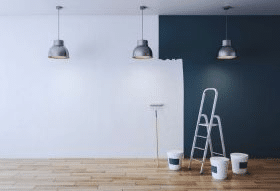
Interior Painting
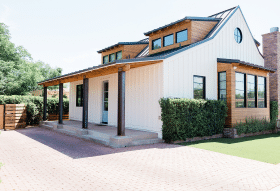
Exterior Painting
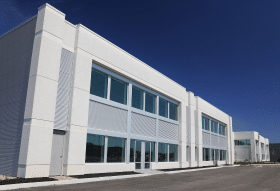
Commercial Painting
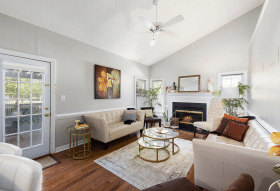
Residential Painting
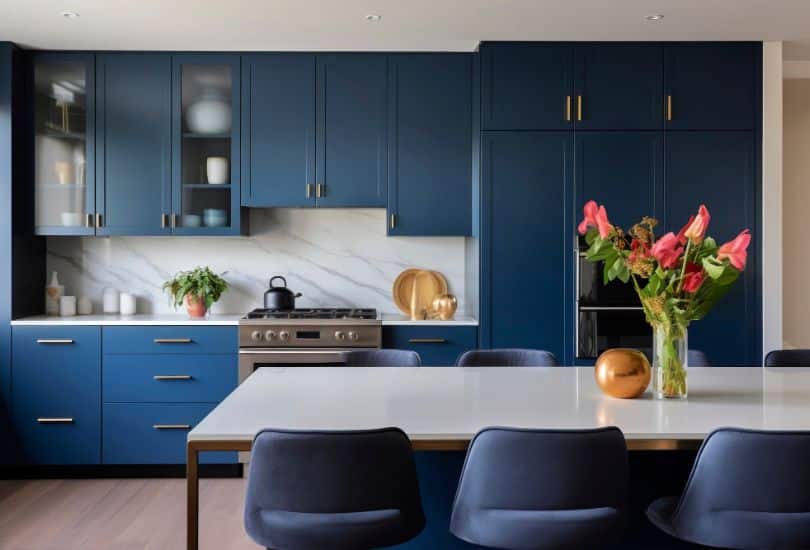
Cabinet Painting

Carpentry Service
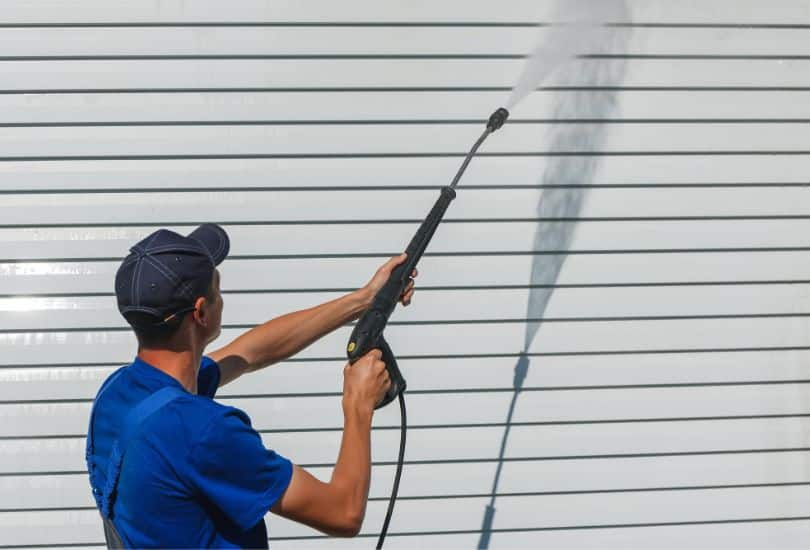
Power Wash Service
Making the Right Decision About Interior Painting
Interior coatings protect surfaces and maintain clean, uniform living environments. When paint deteriorates, surfaces become stained, worn, or visually inconsistent. Addressing repainting needs early helps maintain surface protection and property value.
Schedule a professional interior painting consultation with Marco’s Painting today.
