

- Fully Licensed & Insured
- Trusted for 3+ Years
Commercial Painting Services
Structured Coating Systems for Commercial Properties Delivered by a Licensed Painting Contractor Across Southern New Hampshire
Marco’s Painting operates as a specialized provider of commercial painting services for businesses, commercial properties, and facility managers across New Hampshire. Our commercial painting operations function as a structured maintenance capability designed to protect building surfaces, maintain professional appearance, and ensure operational continuity for business environments.
If your property requires repainting, refurbishment, or tenant improvement work, schedule a professional commercial painting assessment to evaluate surface condition, coating systems, and operational scheduling.
- Fully Licensed & Insured Local Company
- Professional, On-Schedule & Clean Work
- High-Durability, Business-Grade Finishes
- Minimal Disruption to Your Operations
5-Star Reviews • Fully Licensed & Insured • Serving All of New Hampshire
Is Interior Painting Really Necessary?
Commercial buildings experience constant surface wear due to employee traffic, equipment movement, cleaning procedures, and environmental exposure. Over time, these conditions degrade coatings and reduce the protective function of paint systems.
Commercial painting becomes necessary when coatings can no longer maintain adhesion, durability, or visual consistency across surfaces.
Common conditions indicating that commercial painting services are required include:
- Surface abrasion in high-traffic corridors
- Scuff marks caused by carts or equipment
- Uneven color fading across walls
- Peeling or cracking paint layers
- Water stains near plumbing or roof systems
- Surface stains from operational activity
- Paint failure caused by moisture or aging coatings
- Tenant turnover requiring space refresh
When commercial repainting is delayed, surface deterioration accelerates and maintenance costs increase.
A professional commercial painting project restores surface protection, building appearance, and coating lifecycle stability.
Commercial Buildings That Commonly Require Painting
Commercial painting services are required across a wide range of property types where surface durability and professional presentation are essential.
| Commercial Property Type | Reason Painting Is Required |
|---|---|
| Office Buildings | Maintain professional workspace appearance |
| Retail Stores | Preserve brand presentation and customer perception |
| Restaurants | Maintain clean, durable wall finishes |
| Medical Offices | Support hygiene and easy surface cleaning |
| Warehouses | Protect walls exposed to equipment traffic |
| Schools and Educational Buildings | Maintain safe and durable interior surfaces |
| Industrial Facilities | Protect structural materials from operational wear |
| Apartment Common Areas | Maintain tenant satisfaction and property value |
Signs a Commercial Property Needs Repainting
Facility managers often identify repainting needs based on coating performance and surface condition.
Signs that a commercial property requires repainting include:
- Visible coating deterioration
- Uneven color fading
- Scuff damage in corridors or common areas
- Surface staining near high-traffic zones
- Peeling paint near moisture sources
- Previous coating systems beginning to fail
- Tenant turnover requiring space restoration
- Brand refresh or interior redesign
- WHAT WE OFFER
What’s Included in Our Commercial Painting Service
Commercial painting is executed through a structured multi-phase process designed to ensure durability, operational coordination, and finish consistency.
1. Site Assessment and Scope Documentation
Every commercial project begins with a comprehensive on-site assessment conducted by an experienced estimator. The assessment documents substrate conditions, existing coating adhesion, surface damage, moisture evidence, access requirements, including scaffolding, lift equipment, or phased interior access — and any regulatory considerations such as lead paint in pre-1978 structures or OSHA-regulated safety marking requirements. The output is a written scope document that itemizes every surface, coating specification, application method, and scheduling requirement. For property managers and facilities directors managing multiple properties, this documentation serves as a formal maintenance record.
2. Schedule Coordination and Business Disruption Planning
Commercial painting is executed within the operational reality of the facility. A retail space cannot close for a week. An office building cannot displace all tenants simultaneously. A warehouse cannot halt operations for floor coating cure time without advance planning. Marco’s Painting develops a project schedule in coordination with the client that defines work zones, work hours, phasing sequence, and access protocols, minimizing business disruption while maintaining project momentum. After-hours and weekend scheduling is available for facilities where daytime work is operationally incompatible.
3. Surface Preparation
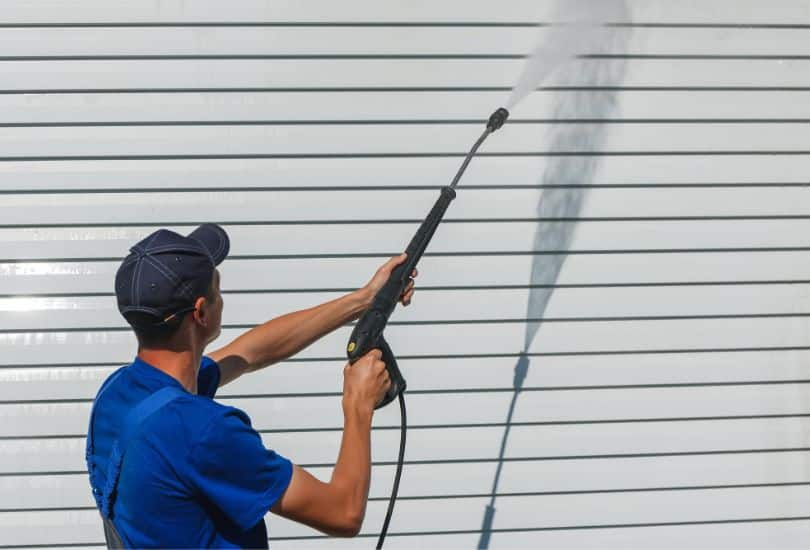
All commercial surfaces are prepared to the standard required by the coating system being applied. This includes pressure washing of exterior masonry, stucco, and painted surfaces; degreasing of kitchen, break room, and industrial surfaces; mold and mildew treatment on moisture-exposed surfaces; scraping and sanding of deteriorated existing coatings; and crack and joint repair on masonry, concrete, and drywall substrates. According to PDCA Standard P1, surface preparation is the single most critical variable in commercial coating system longevity. A premium coating applied to an inadequately prepared commercial surface will fail within its first service cycle.
4. Primer Application and Coating Specification
Commercial coating systems require primer specifications matched to the substrate type, existing coating condition, and the performance demands of the facility. Anti-corrosion primers are applied to metal surfaces. Alkali-resistant primers are specified for masonry and concrete. Stain-blocking primers address water damage, smoke residue, and tannin bleed in older commercial structures. Bonding primers are applied where existing coating adhesion is compromised. Primer selection on commercial projects is a technical decision, not a cost-reduction variable.
5. Coating Application
Finish coats are applied using the method and product specification appropriate for the surface type, facility function, and occupancy conditions. Commercial-grade coatings are specified throughout, not residential product lines applied to commercial surfaces. Application methods are selected for the specific surface and context: airless sprayer for large commercial facades and open warehouse interiors, roller and brush for occupied office spaces requiring overspray control, and HVLP spray systems for trim runs and cabinet work. A minimum of two finish coats is standard on all commercial painting scope.
6. Specialty Scope Execution
Specialty commercial painting scope, including epoxy floor coating systems, safety and traffic marking application, antimicrobial coating for healthcare or food service environments, fire-retardant coating for stairwells and structural elements, and brand color matching for retail and hospitality properties, is executed as a defined phase within the overall project. Each specialty scope requires specific surface preparation, product specification, application conditions, and cure time that differ from standard coating application.
7. Quality Inspection and Compliance Verification
On completion, every commercial project is inspected against the written scope document. Film thickness, sheen uniformity, edge precision, color consistency, and coverage completeness are verified against PDCA Standard P5 benchmarks. For projects involving safety markings, ADA compliance verification is performed. For projects involving fire-retardant coatings, documentation of product specification and application is provided for the client’s compliance records.
8. Site Restoration and Documentation
All masking, protective materials, and equipment are removed. The facility is restored to operational condition. A project completion report is provided documenting the scope executed, products applied, coating specifications, and warranty terms, serving as a formal maintenance record for the property’s asset management file.
How Commercial Painting Is Performed Safely
Commercial painting method selection is a technical and operational decision that directly affects coating performance, project timeline, business disruption level, worker safety, and regulatory compliance. The wrong application method for a commercial context does not just produce poor results, it can create OSHA violations, ADA compliance failures, or coating system failures that require full remediation at the client’s expense.
| Method | When It Is Used |
|---|---|
| Airless Sprayer — High Volume | Large exterior facades, warehouse interiors, open commercial spaces, and any surface where production speed and uniform film thickness are required without overspray risk to adjacent occupied areas |
| Roller Application — Commercial Nap | Occupied office interiors, retail spaces, and common areas where overspray containment is required and texture uniformity is the primary quality standard |
| Brush Application | Detail work, trim, door frames, window casings, cut-in lines, and all transitions requiring precision edge control in occupied commercial environments |
| HVLP Spray System | Cabinet work, built-in millwork, trim runs in unoccupied phases, and any surface requiring factory-smooth finish quality with minimal overspray |
| Epoxy Roller System | Concrete floor preparation coat, broadcast layer, and topcoat application for epoxy floor coating systems in warehouse, industrial, and healthcare environments |
| Traffic Paint Applicator | Safety floor markings, parking lot striping, pedestrian path markings, and ADA-required parking designations |
All application methods comply with manufacturer application guidelines and align with PDCA Standard P4 governing commercial application procedures. Worker safety during commercial painting operations is governed by OSHA 29 CFR 1926 Subpart M (fall protection for elevated work), OSHA 29 CFR 1910.94 (ventilation for enclosed space painting), and OSHA 29 CFR 1910.132 (personal protective equipment requirements). Marco’s Painting operates in full compliance with these standards on every commercial project.
Common Commercial Surfaces That Require Professional Painting
Commercial painting must account for different construction materials and surface types commonly found in business properties.
| Commercial Surface | Why Professional Painting Is Required |
|---|---|
| Drywall Walls | Requires smooth coatings that withstand regular cleaning |
| Concrete Walls | Requires specialized coatings to prevent surface wear |
| Metal Doors and Frames | Requires protective enamel coatings to prevent corrosion |
| Ceilings | Requires coatings that maintain brightness and reduce glare |
| Hallway Surfaces | Requires scuff-resistant coatings for high traffic |
| Exterior Facades | Requires durable coatings to resist weather exposure |
Common Exterior Paint Failures and What Causes Them
Paint systems fail primarily due to surface preparation issues, environmental exposure, or incompatible coatings.
| Paint Failure Type | Typical Cause |
|---|---|
| Peeling Paint | Poor surface adhesion |
| Cracking Paint | Aging or inflexible coatings |
| Scuff Damage | High traffic abrasion |
| Stain Bleed-Through | Missing stain-blocking primer |
| Gloss Variation | Uneven application |
| Fading | UV exposure |
Commercial Paint Systems and Coating Technologies
Modern commercial painting relies on coating technologies designed for durability, washability, and long-term performance.
| Paint System | Characteristics |
|---|---|
| Acrylic Latex Commercial Paint | Flexible and durable interior coating |
| Low-VOC Coatings | Reduce odor in occupied buildings |
| Enamel Coatings | High durability for trim and doors |
| Epoxy Coatings | Industrial-grade protection |
| Primer Systems | Improve adhesion and surface stability |
Why Surface Preparation Is Critical Before Painting
Successful commercial painting depends heavily on correct surface preparation.
| Surface Condition | Preparation Required |
|---|---|
| Drywall dents | Joint compound repair |
| Nail holes | Spackle filling |
| Cracked joints | Flexible filler application |
| Water stains | Stain-blocking primer |
| Uneven surfaces | Sanding and smoothing |
Commercial Painting Pricing in New Hampshire
Commercial painting costs are determined by project scope, surface condition, and coating requirements.
| Scope / Facility Type | Estimated Price Range |
|---|---|
| Single commercial office suite (interior repaint) | $1,500 — $5,000 |
| Full office floor — common areas and tenant spaces | $8,000 — $25,000 |
| Retail space interior repaint | $2,500 — $10,000 depending on size and condition |
| Apartment unit turnover repaint | $800 — $2,000 per unit |
| Apartment complex common areas (lobby, corridors, stairwells) | $5,000 — $20,000 depending on scope |
| Commercial building exterior (masonry, stucco, siding) | $15,000 — $75,000+ depending on size and access |
| Warehouse interior painting | $10,000 — $50,000+ depending on square footage |
| Epoxy floor coating system (per 1,000 sq ft) | $3,000 — $8,000 depending on prep and system specification |
| Safety and traffic marking (per project) | $1,500 — $10,000 depending on facility size and marking complexity |
| After-hours or weekend scheduling premium | 10% — 25% addition to base labor cost |
Pricing depends on:
total surface area
preparation requirements
coating system used
accessibility and height
project scheduling constraints
A professional evaluation ensures accurate and transparent pricing.
Commercial Painting vs Residential Painting
Although both services involve coating systems, the operational context differs significantly.
| Service Type | Primary Objective | Typical Environment |
|---|---|---|
| Commercial Painting | Maintain building performance and professional appearance | Offices, retail, industrial properties |
| Residential Painting | Improve interior or exterior home appearance | Houses and apartments |
| Interior Painting | Renew interior surfaces | Living spaces |
| Exterior Painting | Protect building exteriors | Weather-exposed surfaces |
Trust, Safety and Compliance
Professional commercial painting requires qualified crews, jobsite safety planning, and compliance with industry standards.
Marco’s Painting follows established protocols including:
trained commercial painters
property protection systems
low-odor coating options
professional cleanup procedures
safe worksite management
These safeguards ensure projects are completed safely and efficiently.
Why Choose Marco’s Painting for Commercial Painting Services?
Marco’s Painting operates as a specialized painting contractor focused on durable commercial coating systems.
Our approach emphasizes:
controlled surface preparation
compatible coating systems
predictable project execution
minimal operational disruption
Our clients include:
commercial property owners
facility managers
property management companies
retail operators
industrial building managers
Commercial painting in New Hampshire must account for seasonal climate conditions, building usage patterns, and operational constraints.
Marco’s Painting structures its process around these factors to ensure consistent coating performance.
Custom Commercial Solutions for Every Industry
From offices to retail to hospitality, our painting solutions are tailored to your business’s unique function and flow.
A Google Guaranteed Painting Company
Trusted for consistent results, on-time delivery, and professional execution, no shortcuts, no disruptions.
Locally Trusted Commercial Experts
Businesses rely on our clean work, reliable schedules, and long-lasting finishes that uphold their brand image.
Certified, Professional Craftsmanship
Our licensed and insured team delivers commercial-grade durability with refined, high-impact visual results.
What Our Clients Say?
Real reviews from business owners and property managers who trust our Commercial Painting Services for reliability, clean execution, and results that elevate their brand, every single time.
Posted onTrustindex verifies that the original source of the review is Google. Fast, clean, on time ...very affordable..Posted onTrustindex verifies that the original source of the review is Google. We were so happy with Marcos! He did an amazing job removing this old wallpaper throughout the house and painting the trim and walls! Looks brand new!! Would highly recd!!!Posted onTrustindex verifies that the original source of the review is Google. I Hired Marco for Interior painting last week, We are Very Happy with the Quality attention to detail , he's crew is professional, clean cut , not a drop of paint on the floor , they covered everything from using drop clothes , plastic my furniture. We are booking with him in a couple weeks for the exterior rot repairs and a fresh coat of paint on the exterior. I highly recommend Marco and his teamPosted onTrustindex verifies that the original source of the review is Google. Would hire them again. Marcos was very polite and accommodating. His crew did a very fine job, they were careful with our property using drop cloths and the finished work was impeccable.Posted onTrustindex verifies that the original source of the review is Google. Excellent interior painting work — clean lines, smooth finish, and great attention to detail. The place looks fresh and professionally done. Highly recommend!Posted onTrustindex verifies that the original source of the review is Google. Super recommended! They did a nice clean job. The owner gave me excellent recommendations, and made sure everything was done as promised.Posted onTrustindex verifies that the original source of the review is Google. I hired Marcos's painting for an interior job in my house and he went above and beyond my expectations!Posted onTrustindex verifies that the original source of the review is Google. We recently had our entire house painted by Marco's Painting, and we couldn't be happier with the results! The painters were professional, punctual, and incredibly clean. They took great care to prep the walls and use masking tape, ensuring a flawless finish. The colors were exactly what we wanted, and the paint job looks fantastic. The team was always communicative and addressed any questions we had promptly. We would highly recommend Marco's Painting to anyone looking for a professional and reliable painting company!Posted onTrustindex verifies that the original source of the review is Google. I recently had my house painted by Marcos, and I couldn’t be happier with the results! He did an absolutely beautiful job every detail was handled with care and precision. The finish looks amazing, and the whole house feels refreshed and vibrant. Marcos was professional, reliable, and easy to work with from start to finish. His attention to detail and commitment to quality really stood out. I would highly recommend Marcos to anyone looking for top-notch painting work. I’ve already told my friends and family about the great job he did, and I’ll definitely call him again for future projects!Posted onTrustindex verifies that the original source of the review is Google. I am grateful for the service from Marcos’s Painting provided in my home, for the punctuality, professionalism and quality, I highly recommend itVerified by TrustindexTrustindex verified badge is the Universal Symbol of Trust. Only the greatest companies can get the verified badge who has a review score above 4.5, based on customer reviews over the past 12 months. Read more
Technical Standards and Industry References
Professional painting practices follow recognized industry standards.
Painting Contractors Association (PCA)
Provides guidelines for surface preparation and coating performance.
Sherwin-Williams Professional Coating Systems
Provides technical specifications for commercial paint systems.
- Frequently Asked Questions
Frequently Asked Questions — Commercial Painting Services in New Hampshire
How is commercial painting different from residential painting?
Commercial painting differs from residential painting in four primary dimensions. First, coating specification: commercial facilities require product lines rated for high-traffic durability, chemical resistance, antimicrobial performance, or fire retardancy that are not used in residential applications. Second, scheduling: commercial projects must be executed within the operational constraints of occupied facilities, after-hours, phased, or zoned scheduling is frequently required. Third, compliance: commercial projects involve OSHA safety marking standards, ADA accessibility requirements, EPA RRP lead paint protocols for pre-1978 commercial buildings, and NFPA fire-retardant coating requirements that do not apply to residential scope. Fourth, project management: commercial projects require written scope documentation, certificates of insurance, lien waivers, and completion reporting that residential projects do not.
Can you work around our business hours to avoid disrupting operations?
Yes. After-hours and weekend scheduling is a standard operational capability for Marco's Painting commercial projects. Work zones, shift schedules, and phasing sequences are coordinated with the client during the pre-project planning phase. For retail spaces, office buildings, and hospitality properties, after-hours execution is the default scheduling approach. A labor premium of 10% to 25% applies to after-hours and weekend scheduling depending on project scope and duration.
Do you provide certificates of insurance for commercial projects?
Yes. Marco's Painting provides certificates of insurance documenting general liability, workers' compensation, and umbrella coverage to property managers, general contractors, and facilities directors as a standard component of every commercial contract package. Additional insured endorsements are available upon request for projects requiring it under the terms of a general contractor or property management agreement.
How do you handle lead paint in pre-1978 commercial buildings?
Marco's Painting maintains EPA RRP certification (40 CFR Part 745) and implements compliant work practices on all pre-1978 commercial projects, including containment procedures, lead-safe work practices, and proper disposal of lead-containing debris. Given the concentration of pre-1978 commercial buildings in Nashua, Manchester, Concord, and Portsmouth, RRP compliance is a routine operational practice for Marco's Painting, not an exceptional accommodation. Written RRP compliance documentation is provided as part of project close-out records.
What is epoxy floor coating and when is it necessary?
Epoxy floor coating is a two-component resin system applied to concrete floors to create a durable, chemical-resistant, cleanable surface. It is necessary in warehouses, distribution facilities, manufacturing plants, parking structures, healthcare facilities, and commercial garages where concrete floors are subject to heavy traffic, forklift loads, chemical spills, or hygiene requirements that bare or painted concrete cannot meet. The process requires concrete surface grinding or shot blasting, moisture barrier application where needed, epoxy base coat, optional broadcast aggregate for slip resistance, and a polyurethane or epoxy topcoat. Cure time is 24 to 72 hours before light foot traffic and 5 to 7 days before full load-bearing use.
Can you match brand colors for retail and hospitality properties?
Yes. Brand color matching for retail chains, hospitality properties, and corporate facilities is executed using spectrophotometric color matching through Sherwin-Williams and Benjamin Moore professional accounts. Brand color specifications provided in Pantone, RAL, or existing paint codes are matched to the appropriate commercial paint product and finish specification. Color match documentation is included in the project completion report for brand compliance records.
Do you offer recurring maintenance agreements for property managers?
Yes. Marco's Painting provides maintenance service agreements for property managers and facilities directors managing multi-unit residential complexes, office buildings, and commercial portfolios. Agreements include scheduled annual inspections, priority project scheduling, preferential pricing on recurring scope, and documented maintenance records for each property in the portfolio. Recurring maintenance agreements are available for single properties and multi-property portfolios across the service area.
How long does a commercial painting project take?
Project duration varies by facility type and scope. A single commercial office suite typically takes two to five days. A full floor of office and common area space takes one to three weeks depending on phasing requirements. A commercial building exterior takes one to four weeks depending on size, access requirements, and weather. Epoxy floor coating systems require three to five days for application and cure before the space can return to full operation. A detailed project schedule is included in every written commercial proposal.
How do I get started with a commercial painting project?
Contact Marco's Painting to schedule a no-obligation commercial site assessment. An experienced estimator will visit the property, document all surfaces and conditions, identify any compliance requirements, and produce a written commercial proposal within five business days of the site visit. The proposal includes full scope documentation, coating specifications, project schedule, insurance credentials, and warranty terms.
Professional Commercial Painting Services
Enhance your business space with our expert commercial painting services. From offices to retail spaces, we deliver precise, durable, and visually striking finishes that leave a lasting impression. Our licensed and insured team ensures minimal disruption while providing exceptional quality and attention to detail.
Services Areas
- Commercial Painting in Acworth, NH
- Commercial Painting in Albany, NH
- Commercial Painting in Alexandria, NH
- Commercial Painting in Allenstown, NH
- Commercial Painting in Alstead, NH
- Commercial Painting in Alton, NH
- Commercial Painting in Andover, NH
- Commercial Painting in Apollo Beach, FL
- Commercial Painting in Ashland, NH
- Commercial Painting in Atkinson, NH
- Commercial Painting in Auburn, NH
- Commercial Painting in Barnstead, NH
- Commercial Painting in Barrington, NH
- Commercial Painting in Bartlett, NH
- Commercial Painting in Bath, NH
- Commercial Painting in Bedford, NH
- Commercial Painting in Belmont, NH
- Commercial Painting in Benton, NH
- Commercial Painting in Berlin, NH
- Commercial Painting in Bethlehem, NH
- Commercial Painting in Boscawen, NH
- Commercial Painting in Bow, NH
- Commercial Painting in Bradford, NH
- Commercial Painting in Brandon, FL
- Commercial Painting in Brentwood, NH
- Commercial Painting in Bridgewater, NH
- Commercial Painting in Bristol, NH
- Commercial Painting in Brookfield, NH
- Commercial Painting in Campton, NH
- Commercial Painting in Canaan, NH
- Commercial Painting in Candia, NH
- Commercial Painting in Canterbury, NH
- Commercial Painting in Carroll, NH
- Commercial Painting in Carrollwood, FL
- Commercial Painting in Center Harbor, NH
- Commercial Painting in Charlestown, NH
- Commercial Painting in Chatham, NH
- Commercial Painting in Chester, NH
- Commercial Painting in Chesterfield, NH
- Commercial Painting in Chichester, NH
- Commercial Painting in Citrus Park, FL
- Commercial Painting in Claremont (city), NH
- Commercial Painting in Clarksville, NH
- Commercial Painting in Colebrook, NH
- Commercial Painting in Columbia, NH
- Commercial Painting in Concord, NH
- Commercial Painting in Cornish, NH
- Commercial Painting in Croydon, NH
- Commercial Painting in Dalton, NH
- Commercial Painting in Danbury, NH
- Commercial Painting in Danville, NH
- Commercial Painting in Deerfield, NH
- Commercial Painting in Derry, NH
- Commercial Painting in Dorchester, NH
- Commercial Painting in Dover, FL
- Commercial Painting in Dover, NH
- Commercial Painting in Dublin, NH
- Commercial Painting in Dummer, NH
- Commercial Painting in Dunbarton, NH
- Commercial Painting in Durham, NH
- Commercial Painting in East Kingston, NH
- Commercial Painting in Easton, NH
- Commercial Painting in Eaton, NH
- Commercial Painting in Effingham, NH
- Commercial Painting in Ellsworth, NH
- Commercial Painting in Enfield, NH
- Commercial Painting in Epping, NH
- Commercial Painting in Epsom, NH
- Commercial Painting in Errol, NH
- Commercial Painting in Exeter, NH
- Commercial Painting in Farmington, NH
- Commercial Painting in Fitzwilliam, NH
- Commercial Painting in Franconia, NH
- Commercial Painting in Franklin, NH
- Commercial Painting in Freedom, NH
- Commercial Painting in Fremont, NH
- Commercial Painting in Gibsonton, FL
- Commercial Painting in Gilford, NH
- Commercial Painting in Gilmanton, NH
- Commercial Painting in Gilsum, NH
- Commercial Painting in Gorham, NH
- Commercial Painting in Goshen, NH
- Commercial Painting in Grafton, NH
- Commercial Painting in Grantham, NH
- Commercial Painting in Greenland, NH
- Commercial Painting in Groton, NH
- Commercial Painting in Hale’s Location (township), NH
- Commercial Painting in Hampstead, NH
- Commercial Painting in Hampton Falls, NH
- Commercial Painting in Hampton, NH
- Commercial Painting in Hanover, NH
- Commercial Painting in Harrisville, NH
- Commercial Painting in Hart’s Location, NH
- Commercial Painting in Haverhill, NH
- Commercial Painting in Hebron, NH
- Commercial Painting in Henniker, NH
- Commercial Painting in Hill, NH
- Commercial Painting in Hinsdale, NH
- Commercial Painting in Holderness, NH
- Commercial Painting in Hollis, NH
- Commercial Painting in Hooksett, NH
- Commercial Painting in Hopkinton, NH
- Commercial Painting in Hudson, NH
- Commercial Painting in Jackson, NH
- Commercial Painting in Jaffrey, NH
- Commercial Painting in Jefferson, NH
- Commercial Painting in Keene, NH
- Commercial Painting in Kensington, NH
- Commercial Painting in Keystone, FL
- Commercial Painting in Kingston, NH
- Commercial Painting in Laconia, NH
- Commercial Painting in Lake Magdalene, FL
- Commercial Painting in Lancaster, NH
- Commercial Painting in Landaff, NH
- Commercial Painting in Langdon, NH
- Commercial Painting in Lebanon, NH
- Commercial Painting in Lee, NH
- Commercial Painting in Lempster, NH
- Commercial Painting in Lincoln, NH
- Commercial Painting in Lisbon, NH
- Commercial Painting in Littleton, NH
- Commercial Painting in Londonderry, NH
- Commercial Painting in Loudon, NH
- Commercial Painting in Lutz, FL
- Commercial Painting in Lyman, NH
- Commercial Painting in Lyme, NH
- Commercial Painting in Madbury, NH
- Commercial Painting in Madison, NH
- Commercial Painting in Manchester, NH
- Commercial Painting in Mango, FL
- Commercial Painting in Marlborough, NH
- Commercial Painting in Marlow, NH
- Commercial Painting in Meredith, NH
- Commercial Painting in Merrimack, NH
- Commercial Painting in Middleton, NH
- Commercial Painting in Milan, NH
- Commercial Painting in Milton, NH
- Commercial Painting in Monroe, NH
- Commercial Painting in Moultonborough, NH
- Commercial Painting in Nashua, NH
- Commercial Painting in Nelson, NH
- Commercial Painting in New Castle, NH
- Commercial Painting in New Durham, NH
- Commercial Painting in New Hampton, NH
- Commercial Painting in New London, NH
- Commercial Painting in Newbury, NH
- Commercial Painting in Newfields, NH
- Commercial Painting in Newington, NH
- Commercial Painting in Newmarket, NH
- Commercial Painting in Newport, NH
- Commercial Painting in Newton, NH
- Commercial Painting in North Hampton, NH
- Commercial Painting in Northdale, FL
- Commercial Painting in Northfield, NH
- Commercial Painting in Northumberland, NH
- Commercial Painting in Northwood, NH
- Commercial Painting in Nottingham, NH
- Commercial Painting in Orange, NH
- Commercial Painting in Orford, NH
- Commercial Painting in Ossipee, NH
- Commercial Painting in Pebble Creek, FL
- Commercial Painting in Pelham, NH
- Commercial Painting in Pembroke, NH
- Commercial Painting in Piermont, NH
- Commercial Painting in Pittsburg, NH
- Commercial Painting in Pittsfield, NH
- Commercial Painting in Plainfield, NH
- Commercial Painting in Plaistow, NH
- Commercial Painting in Plant City, FL
- Commercial Painting in Plymouth, NH
- Commercial Painting in Portsmouth, NH
- Commercial Painting in Progress Village, FL
- Commercial Painting in Randolph, NH
- Commercial Painting in Raymond, NH
- Commercial Painting in Richmond, NH
- Commercial Painting in Rindge, NH
- Commercial Painting in Riverview, FL
- Commercial Painting in Rochester, NH
- Commercial Painting in Rollinsford, NH
- Commercial Painting in Roxbury, NH
- Commercial Painting in Rumney, NH
- Commercial Painting in Ruskin, FL
- Commercial Painting in Rye, NH
- Commercial Painting in Salem, NH
- Commercial Painting in Salisbury, NH
- Commercial Painting in Sanbornton, NH
- Commercial Painting in Sandown, NH
- Commercial Painting in Sandwich, NH
- Commercial Painting in Seabrook, NH
- Commercial Painting in Seffner, FL
- Commercial Painting in Shelburne, NH
- Commercial Painting in Somersworth, NH
- Commercial Painting in South Hampton, NH
- Commercial Painting in Springfield, NH
- Commercial Painting in Stark, NH
- Commercial Painting in Stewartstown, NH
- Commercial Painting in Stoddard, NH
- Commercial Painting in Strafford, NH
- Commercial Painting in Stratford, NH
- Commercial Painting in Stratham, NH
- Commercial Painting in Sugar Hill, NH
- Commercial Painting in Sullivan, NH
- Commercial Painting in Sun City Center, FL
- Commercial Painting in Sunapee, NH
- Commercial Painting in Surry, NH
- Commercial Painting in Sutton, NH
- Commercial Painting in Swanzey, NH
- Commercial Painting in Tampa, FL
- Commercial Painting in Tamworth, NH
- Commercial Painting in Temple Terrace, FL
- Commercial Painting in Thonotosassa, FL
- Commercial Painting in Thornton, NH
- Commercial Painting in Tilton, NH
- Commercial Painting in Town ‘n’ Country, FL
- Commercial Painting in Troy, NH
- Commercial Painting in Tuftonboro, NH
- Commercial Painting in Unity, NH
- Commercial Painting in University, FL
- Commercial Painting in Valrico, FL
- Commercial Painting in Wakefield, NH
- Commercial Painting in Walpole, NH
- Commercial Painting in Waltham, MA
- Commercial Painting in Warner, NH
- Commercial Painting in Warren, NH
- Commercial Painting in Washington, NH
- Commercial Painting in Waterville Valley, NH
- Commercial Painting in Webster, NH
- Commercial Painting in Wentworth, NH
- Commercial Painting in Westchase, FL
- Commercial Painting in Westmoreland, NH
- Commercial Painting in Whitefield, NH
- Commercial Painting in Wilmot, NH
- Commercial Painting in Wimauma, FL
- Commercial Painting in Winchester, NH
- Commercial Painting in Windham, NH
- Commercial Painting in Wolfeboro, NH
- Commercial Painting in Woodstock, NH
Premium Painting, Lasting Impressions
From detailed interior walls to full exterior facades, our certified Painting Contractor team delivers results tailored to your space.
At Marco’s Painting, we blend craftsmanship, surface expertise, and quality products to elevate your home or business with care.
Discover our painting solutions and take the first step toward a flawless transformation today!

Interior Painting
Exterior Painting
Commercial Painting
Residential Painting
Cabinet Painting

Carpentry Service
Power Wash Service
Making the Right Decision About Commercial Painting
Commercial coatings protect surfaces, maintain brand presentation, and support property maintenance strategies. When coatings deteriorate, surfaces may become worn, stained, or visually inconsistent, affecting both operational perception and maintenance costs. Addressing repainting needs early helps maintain professional appearance, coating durability, and property value.
Schedule a professional commercial painting consultation with Marco’s Painting today.
