

- Fully Licensed & Insured
- Trusted for 3+ Years
Cabinet Painter Services
Specialty Cabinet Painting Services Delivering Factory-Quality Finishes for Kitchens and Bathrooms Across Southern New Hampshire
Marco’s Painting provides specialized cabinet painter services for homeowners across New Hampshire, offering professional cabinet refinishing systems that restore worn cabinetry while improving durability and visual consistency in kitchens, bathrooms, and built-in storage areas.
Cabinet painting is a precision finishing service, not a basic repainting task. Cabinet surfaces experience constant exposure to moisture, grease, hand oils, cleaning chemicals, and mechanical wear, which requires coatings specifically engineered for adhesion, durability, and long-term finish stability.
Marco’s Painting provides cabinet painter services within a service radius of approximately 100 miles from Nashua, NH, assisting homeowners who want to update cabinetry without the cost and disruption of full cabinet replacement.
- Fully Licensed & Insured
- Free In-Home Estimate
- Google Guaranteed Contractors
Ready to transform your kitchen cabinets?
5-Star Reviews • Fully Licensed & Insured • Serving All of New Hampshire
Is Hiring a Cabinet Painter Really Necessary?
Cabinets are among the most frequently used surfaces in residential interiors. Kitchen and bathroom cabinets experience continuous exposure to grease, moisture, heat, and frequent contact, which gradually degrades existing coatings.
A professional cabinet painter becomes necessary when cabinet finishes lose adhesion, durability, or visual uniformity.
Common conditions indicating the need for cabinet painting include:
- Peeling or chipping cabinet paint
- Grease buildup that cannot be removed through cleaning
- Discoloration caused by cooking oils or moisture
- Scratches and wear around cabinet handles
- Uneven or outdated cabinet colors
- Previous paint jobs with visible brush marks
Cabinet painting allows homeowners to restore cabinetry without replacing structurally sound cabinets.
Delaying cabinet refinishing often leads to further deterioration of cabinet coatings, which can eventually require full replacement rather than restoration.
Request a cabinet refinishing evaluation to determine the most appropriate solution.
Cabinet Types That Can Be Professionally Painted
Professional cabinet painters work with several cabinet types commonly found in residential interiors.
| Cabinet Type | Why Painting Is Beneficial |
|---|---|
| Solid Wood Cabinets | Restore worn finishes and update cabinet color |
| MDF Cabinets | Improve surface durability and appearance |
| Laminate Cabinets | Apply specialized coatings for adhesion |
| Bathroom Vanity Cabinets | Refresh high-moisture cabinetry surfaces |
| Built-In Cabinets | Maintain visual consistency across rooms |
Cabinet painting extends the life of cabinetry while modernizing the appearance of interior spaces.
Common Cabinet Materials and Their Impact on Painting
Different cabinet materials require different preparation and coating methods.
| Cabinet Material | Preparation Considerations |
|---|---|
| Solid Wood | Sanding and grain sealing required |
| MDF (Medium Density Fiberboard) | Primer needed to seal porous edges |
| Laminate | Bonding primer required for adhesion |
| Thermofoil | May require specialized coatings or refinishing alternatives |
Identifying cabinet material is essential for selecting the correct primer and coating system.
- WHAT WE OFFER
What’s Included in Our Cabinet Painter Service
Cabinet painting is a multi-stage refinishing process designed to produce durable coatings and smooth finishes on cabinetry surfaces.
1. On-Site Assessment and Substrate Evaluation
Before any proposal is written, the full cabinet set is assessed for substrate type, existing finish condition, moisture and grease damage, door profile, thermofoil integrity, and adhesion risk. Oak cabinets with honey stain require tannin management protocols that maple cabinets do not. Thermofoil surfaces require adhesion testing before any coating is committed. Previously painted cabinets require evaluation of the existing coating’s adhesion integrity before a new system is applied over it. This assessment determines the primer specification, product selection, application method, and realistic outcome and it is the phase that separates a professional cabinet painter from a contractor who prices by door count without looking at the substrate.
2. Project Preparation and Kitchen Protection
Countertops, appliances, backsplash, and flooring are fully protected with drop cloths, plastic sheeting, and masking. A dust barrier is established between the kitchen work zone and adjacent living areas. HVAC vents in the work area are sealed to prevent paint particulate from entering the ductwork during spray operations. Kitchen protection is not a precaution, it is a professional standard that prevents overspray, dust contamination, and finish defects on surfaces that are not part of the painting scope.
3. Hardware Removal and Door Disassembly
All cabinet doors, drawer fronts, and hardware, hinges, pulls, knobs, are removed, labeled, and stored systematically. Doors and drawer fronts are transported to a controlled spray environment for finish application. Cabinet frames and boxes remain in place and are painted on-site. Every piece is labeled with its origin position so that reinstallation is precise and door alignment is maintained. Hardware holes are protected to prevent primer and paint from filling them.
4. Chemical Degreasing
All cabinet surfaces, frames, door faces, drawer fronts, and interior edges, are treated with a professional-grade chemical degreaser to remove cooking grease, oil vapor residue, wax buildup, and any surface contamination that would compromise primer adhesion. In a functioning kitchen, grease infiltrates every surface including cabinet interiors and top edges, areas that are invisible but directly affect whether the primer bonds. Degreasing is the most commonly skipped step in non-specialist cabinet painting work and the primary cause of peeling cabinet finishes within the first year. A surface that looks clean is not necessarily a surface that is chemically clean enough for primer adhesion.
5. Sanding
All cabinet surfaces are sanded to scuff the existing finish, open the surface for primer penetration, and eliminate surface texture inconsistencies. Oak cabinets with open grain receive grain filler treatment to prevent grain texture from telegraphing through the finish coat. Edges, profiles, and detail areas are hand-sanded with precision. All sanding dust is removed by vacuum and tack cloth before any coating is applied. Sanding between every coat, primer and finish, is standard on all cabinet painting projects at Marco’s Painting, using 220-grit paper to eliminate any surface imperfection introduced by the previous coat before the next is applied.
6. Bonding Primer Application
Bonding primer is applied to all cabinet surfaces, frames on-site, doors and drawer fronts in the controlled spray environment. Primer specification is matched to the substrate type: shellac-based primer (BIN or equivalent) for oak and cherry cabinets prone to tannin bleed, high-adhesion bonding primer for previously painted or varnished surfaces, specialty adhesion primer for thermofoil and laminate surfaces where standard primers will not bond reliably. Primer is the single most technically critical product decision in a cabinet painting project. The wrong primer on a tannin-prone oak cabinet produces yellow or brown bleed-through visible through white finish coats regardless of how many finish coats are applied. The correct primer applied correctly eliminates this failure mode entirely.
7. Finish Coat Application
Finish coats are applied using an HVLP (High Volume Low Pressure) spray system for doors and drawer fronts, producing the atomized, uniform film thickness that creates a factory-smooth finish. Cabinet frames are finished using brush and foam roller with techniques that eliminate brush marks and roller stipple. A minimum of two finish coats is standard, with 220-grit inter-coat sanding between every coat to eliminate dust nibs, surface texture, and any imperfection introduced during drying. Cabinet enamel, water-based alkyd, or acrylic urethane is specified based on the durability requirement and the client’s finish quality expectation. These are professional cabinet-specific coating products, not interior wall paint applied to cabinet surfaces.
8. Cure Time Management and Reinstallation
Cabinet painting has two distinct time thresholds that are routinely misunderstood. Dry time, when the surface is dry to the touch, occurs within one to two hours of application. Full cure time, when the paint film reaches maximum hardness, washability, and scratch resistance, takes fourteen to thirty days depending on the product and environmental conditions. Doors are reinstalled only after sufficient dry time to prevent surface damage during handling. Homeowners are advised not to wash cabinet surfaces with chemical cleaners or apply sustained pressure to door faces for thirty days after project completion, the period required for the coating to reach full hardness. Premature cleaning of a freshly painted cabinet surface removes the paint film and voids workmanship warranty.
8. Final Inspection and Hardware Reinstallation
Every door and drawer front is inspected under raking light for coverage consistency, surface smoothness, edge definition, and finish uniformity before reinstallation. All hardware is reinstalled and door alignment is adjusted to original specification. The client is walked through the completed kitchen with specific instruction on the cure period protocol before the project is closed.
How Cabinet Painting Is Performed Safely
Cabinet painting requires careful protection of surrounding interior surfaces.
| Method | When It Is Used |
|---|---|
| HVLP Spray — Cabinet Doors | All flat and profiled cabinet door faces and backs, drawer fronts, and any surface where factory-smooth finish quality is required |
| HVLP Spray — Drawer Fronts | All drawer front faces in controlled spray environment alongside doors |
| Brush — Detail and Profiles | Door profile grooves, decorative details, and any area where spray atomization cannot reach uniformly |
| Brush and Foam Roller — Cabinet Frames | On-site application to cabinet boxes, face frames, and interior cabinet edges where spray is not practical due to kitchen occupancy |
| Hand Sanding — Between Every Coat | 220-grit inter-coat sanding on all surfaces after primer and after each finish coat to eliminate surface imperfection before the next coat |
| Brush-and-Back-Roll — Primer on Frames | Primer application on cabinet frame surfaces requiring forced penetration into the substrate for maximum adhesion |
Ventilation systems and low-VOC coatings are often used to maintain indoor air quality.
Cabinet Finish Types and Coating Options
Cabinet painters select coating systems based on durability and appearance.
| Finish Type | Typical Use |
|---|---|
| Satin Finish | Most common for kitchen cabinets |
| Semi-Gloss Finish | High durability and easy cleaning |
| Matte Finish | Decorative cabinets with low contact |
Choosing the correct finish affects maintenance, durability, and visual appearance.
Common Cabinet Finish Failures and Their Causes
Cabinet coatings fail when preparation, material compatibility, or curing processes are incorrect.
| Cabinet Finish Problem | Typical Cause |
|---|---|
| Peeling Cabinet Paint | Poor surface preparation |
| Chipping Finish | Insufficient curing time |
| Visible Brush Marks | Improper application method |
| Stain Bleed-Through | Missing primer layer |
| Uneven Coating | Incorrect paint distribution |
Professional cabinet painters prevent these failures through controlled preparation and coating systems.
Cabinet Painting Lifespan
Properly refinished cabinets can maintain durable finishes for 8–15 years depending on usage conditions and coating systems.
Factors affecting cabinet paint lifespan include:
- cabinet usage frequency
- exposure to moisture and grease
- coating quality
- surface preparation method
Cabinet Painting vs Other Cabinet Renovation Options
| Service | Objective | When It Works Best |
|---|---|---|
| Cabinet Painting | Change cabinet color and restore finish | Cabinets structurally intact |
| Cabinet Refinishing | Restore wood surfaces and coatings | Moderate surface wear |
| Cabinet Refacing | Replace cabinet doors and hardware | Major visual updates |
| Cabinet Replacement | Install entirely new cabinets | Severe cabinet damage |
Cabinet painting is typically the most cost-effective method for updating kitchen cabinetry.
Cabinet Painting Pricing in New Hampshire
Cabinet painting costs vary based on cabinet size, condition, and complexity.
| Scope / Project Type | Estimated Price Range |
|---|---|
| Small kitchen — up to 20 doors and drawer fronts | $1,500 — $2,500 |
| Medium kitchen — 20 to 35 doors and drawer fronts | $2,500 — $3,800 |
| Large kitchen — 35 to 50 doors and drawer fronts | $3,800 — $5,500 |
| Extra-large kitchen — 50+ doors and drawer fronts | $5,500 — $8,000+ |
| Bathroom vanity — standard size | $450 — $900 |
| Bathroom vanity — double sink or large format | $900 — $1,600 |
| Kitchen island only | $400 — $900 depending on door count |
| Two-tone finish (upper and lower different color) | Add $300 — $600 to base scope |
| Extensive prep (heavy grease, multiple finish layers) | Add $300 — $800 depending on condition |
| Hardware replacement (supply and install) | Priced separately per homeowner hardware selection |
Price depends on:
number of cabinet doors and drawers
cabinet preparation requirements
coating system used
project complexity
A professional inspection ensures accurate pricing estimates.
Signs Your Cabinets Need Professional Painting
Cabinet deterioration often becomes visible through finish changes.
Signs that cabinet refinishing is necessary include:
- peeling paint near cabinet handles
- visible grease stains
- surface scratches
- faded cabinet color
- uneven or blotchy finishes
- coatings that are difficult to clean
When Cabinet Painting May Not Be Necessary
Cabinet painting may not be required when:
- cabinet coatings remain structurally stable
- surface damage is minimal
- small touch-ups can restore affected areas
- full kitchen renovation is planned
Trust, Safety and Compliance
Professional cabinet painting requires strict surface protection and controlled application conditions.
Marco’s Painting follows procedures including:
cabinet containment strategies
controlled spray systems
ventilation management
protective masking of appliances and countertops
These protocols ensure cabinet refinishing projects are completed safely inside occupied homes.
Why Choose Marco's Painting as Your Cabinet Painter
Marco’s Painting provides specialized cabinet painter services for homeowners across New Hampshire.
Our refinishing process emphasizes:
detailed cabinet surface preparation
durable cabinet coating systems
professional spray finishing
controlled curing and reinstallation
Clients commonly request cabinet painting when:
updating kitchen appearance
preparing homes for sale
renovating bathrooms
refreshing rental properties
Cabinet painting provides a cost-effective method of improving cabinetry without replacing structurally sound cabinets.
Custom Cabinet Refinishing for Every Space
At Marco’s Painting, our cabinet work is never “one-coat and done.” Every project is thoughtfully prepared and finished to align with your style, home, and daily-use needs, whether it’s a full kitchen, bathroom vanity, laundry space, or custom built-ins.
A Google Guaranteed Painting Company
We’ve earned our reputation by delivering precision cabinet painting with integrity and consistency. No shortcuts, no peeling, no uneven surfaces, just flawless finishes and a service experience you can trust.
Locally Trusted Cabinet Painting Experts
Homeowners count on us for smooth finishes, clean execution, and lasting results that make outdated cabinets look beautifully new again. Local expertise, professional quality.
Certified, Professional Craftsmanship
Our cabinet painting services are carried out by certified professionals who care about every stage, from sanding to priming to final curing. Fully licensed, insured, and committed to delivering finishes that look factory-applied, clean, and built right.
What Our Clients Say?
Real homeowners sharing their experiences with our cabinet refinishing results—smooth finishes, durable coatings, color transformations, and dependable craftsmanship.
Posted onTrustindex verifies that the original source of the review is Google. Fast, clean, on time ...very affordable..Posted onTrustindex verifies that the original source of the review is Google. We were so happy with Marcos! He did an amazing job removing this old wallpaper throughout the house and painting the trim and walls! Looks brand new!! Would highly recd!!!Posted onTrustindex verifies that the original source of the review is Google. I Hired Marco for Interior painting last week, We are Very Happy with the Quality attention to detail , he's crew is professional, clean cut , not a drop of paint on the floor , they covered everything from using drop clothes , plastic my furniture. We are booking with him in a couple weeks for the exterior rot repairs and a fresh coat of paint on the exterior. I highly recommend Marco and his teamPosted onTrustindex verifies that the original source of the review is Google. Would hire them again. Marcos was very polite and accommodating. His crew did a very fine job, they were careful with our property using drop cloths and the finished work was impeccable.Posted onTrustindex verifies that the original source of the review is Google. Excellent interior painting work — clean lines, smooth finish, and great attention to detail. The place looks fresh and professionally done. Highly recommend!Posted onTrustindex verifies that the original source of the review is Google. Super recommended! They did a nice clean job. The owner gave me excellent recommendations, and made sure everything was done as promised.Posted onTrustindex verifies that the original source of the review is Google. I hired Marcos's painting for an interior job in my house and he went above and beyond my expectations!Posted onTrustindex verifies that the original source of the review is Google. We recently had our entire house painted by Marco's Painting, and we couldn't be happier with the results! The painters were professional, punctual, and incredibly clean. They took great care to prep the walls and use masking tape, ensuring a flawless finish. The colors were exactly what we wanted, and the paint job looks fantastic. The team was always communicative and addressed any questions we had promptly. We would highly recommend Marco's Painting to anyone looking for a professional and reliable painting company!Posted onTrustindex verifies that the original source of the review is Google. I recently had my house painted by Marcos, and I couldn’t be happier with the results! He did an absolutely beautiful job every detail was handled with care and precision. The finish looks amazing, and the whole house feels refreshed and vibrant. Marcos was professional, reliable, and easy to work with from start to finish. His attention to detail and commitment to quality really stood out. I would highly recommend Marcos to anyone looking for top-notch painting work. I’ve already told my friends and family about the great job he did, and I’ll definitely call him again for future projects!Posted onTrustindex verifies that the original source of the review is Google. I am grateful for the service from Marcos’s Painting provided in my home, for the punctuality, professionalism and quality, I highly recommend itVerified by TrustindexTrustindex verified badge is the Universal Symbol of Trust. Only the greatest companies can get the verified badge who has a review score above 4.5, based on customer reviews over the past 12 months. Read more
Technical Standards and Industry References
Professional cabinet painting follows industry coating standards.
Painting Contractors Association (PCA)
Provides technical guidelines for surface preparation and coating application.
Sherwin-Williams Professional Coating Systems
Offers cabinet-specific coating systems designed for durability and adhesion.
- Frequently Asked Questions
Frequently Asked Questions — Cabinet Painter in New Hampshire
How long does a cabinet painting project take?
Most residential kitchen cabinet painting projects take three to five working days, one day for disassembly, degreasing, and priming; one to two days for finish coat application and inter-coat sanding; and one day for reinstallation and final inspection. Large kitchens with 50 or more doors and drawer fronts may take five to seven days. The kitchen is partially usable during most of the project, cabinet boxes are accessible and appliances remain connected. Full kitchen use resumes upon door reinstallation, typically on day three or four, with the thirty-day cure period observed before chemical cleaning of cabinet surfaces.
Will the painted cabinets look factory-finished or painted?
With correct preparation, correct primer, correct cabinet-grade coating product, and HVLP spray application on doors and drawer fronts, the finished result is visually indistinguishable from a factory-sprayed cabinet finish under normal viewing conditions. The defining quality markers, no brush marks, no roller stipple, uniform sheen across all surfaces, clean edges on profiles, are all achievable with professional process and equipment. Under raking light at close range, a trained eye may detect minor surface variation. Under normal kitchen viewing conditions, a professionally painted cabinet set reads as a finished, factory-quality surface.
Can you paint oak cabinets white without them turning yellow?
Yes, with the correct primer specification. Oak and cherry contain tannins that migrate through standard primers and discolor white and light-colored finish coats with a yellow or brown cast. Shellac-based primer (BIN or equivalent) blocks tannin migration completely when applied at the correct film thickness. Standard latex or water-based primers do not reliably block tannin bleed on oak. Marco's Painting specifies shellac-based primer on all oak and cherry cabinet projects regardless of the finish color being applied, because tannin bleed is a failure mode that is invisible until finish coats are applied, at which point the only correction is full stripping and repriming.
How durable is painted cabinet finish compared to factory finish?
A professionally applied cabinet enamel or water-based alkyd finish, properly primed, applied in multiple coats with inter-coat sanding, and allowed to fully cure over thirty days, performs comparably to a factory finish in residential kitchen use conditions. The critical variable is cure time: factory finishes are force-cured in industrial ovens within hours of application, reaching full hardness before the cabinet leaves the manufacturing facility. Field-applied finishes cure at ambient temperature over thirty days. During this period, the finish is functional but has not reached maximum hardness. After thirty days of full cure, a professionally applied cabinet enamel is washable, scratch-resistant, and rated for normal residential kitchen use.
What happens if I wash my cabinets before the thirty-day cure is complete?
Washing cabinet surfaces with chemical cleaners, dish soap, or abrasive materials before full cure removes the paint film. The finish during the cure period has not yet developed its full cross-linked hardness, it is a functional film but a vulnerable one. Contact with cleaning chemicals or sustained mechanical pressure during the cure period causes finish removal, surface marring, and surface dulling that requires spot repair or full recoating to correct. Marco's Painting provides written cure period instructions at project close, wipe only with a barely damp cloth for the first thirty days, no chemical cleaners, no abrasive contact.
Can you paint thermofoil cabinets?
Thermofoil cabinets, cabinet doors and drawer fronts wrapped in a heat-applied vinyl film over MDF, can be painted in some conditions. The critical assessment is whether the thermofoil is still fully adhered to the substrate. If the thermofoil is lifting, bubbling, or peeling at edges, adhesion cannot be reliably achieved on the unstable substrate and painting is not recommended until the delaminating thermofoil is addressed. If the thermofoil is fully intact, specialty adhesion primer is required, standard bonding primers do not reliably adhere to thermofoil's smooth, non-porous surface. Marco's Painting performs adhesion testing on all thermofoil surfaces before committing to a project and documents findings in the written proposal.
What paint products does Marco's Painting use for cabinet projects?
Marco's Painting specifies professional cabinet-grade coating products, specifically Sherwin-Williams Emerald Urethane Trim Enamel and Benjamin Moore Advance Water-Based Alkyd, for cabinet finish coats. These products are recommended by the Paint Quality Institute for high-wear residential surfaces requiring extended hardness development. They are not interior wall paint. Standard interior latex paint applied to cabinets does not develop the film hardness required for kitchen durability and is not appropriate for cabinet finishing regardless of sheen level.
How much do painted cabinets increase home value in New Hampshire?
Kitchen updates consistently rank among the highest-ROI home improvement investments in the New Hampshire residential real estate market. While precise ROI figures vary by property, neighborhood, and market conditions, a professional cabinet painting project that transforms dated oak or honey maple cabinets to a contemporary white or gray finish typically returns $2 to $4 in perceived value for every $1 invested in the context of a pre-sale kitchen presentation. Real estate professionals in Southern NH consistently identify kitchen cabinet color as one of the primary visual factors affecting buyer perception of kitchen modernity and overall property value. Marco's Painting's pre-sale cabinet painting projects are typically scheduled and completed within two to four weeks of listing preparation to maximize market-ready presentation.
How do I get started?
Contact Marco's Painting to schedule a no-obligation on-site cabinet assessment. The substrate type, existing finish condition, door and drawer count, and any adhesion risk factors will be documented during the visit, and a written proposal with full product specification, process documentation, cure period instructions, and warranty terms will be provided within three business days.
Cabinet Painting Services Serving Your Area
Refresh your kitchen and cabinets with our professional cabinet painting services. We provide durable, smooth, and flawless finishes that enhance your home’s style. Our licensed and insured team delivers reliable, high-quality results with minimal disruption.
Services Areas
Premium Painting, Lasting Impressions
From detailed interior walls to full exterior facades, our certified Painting Contractor team delivers results tailored to your space.
At Marco’s Painting, we blend craftsmanship, surface expertise, and quality products to elevate your home or business with care.
Discover our painting solutions and take the first step toward a flawless transformation today!
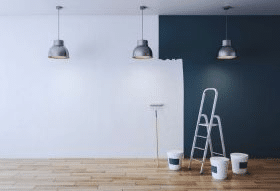
Interior Painting
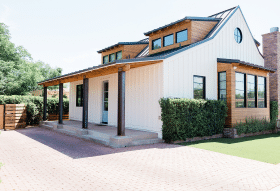
Exterior Painting
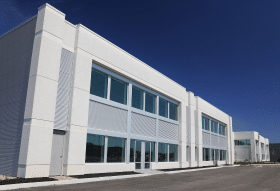
Commercial Painting
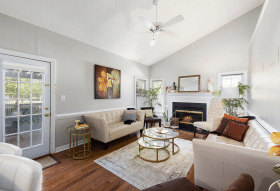
Residential Painting
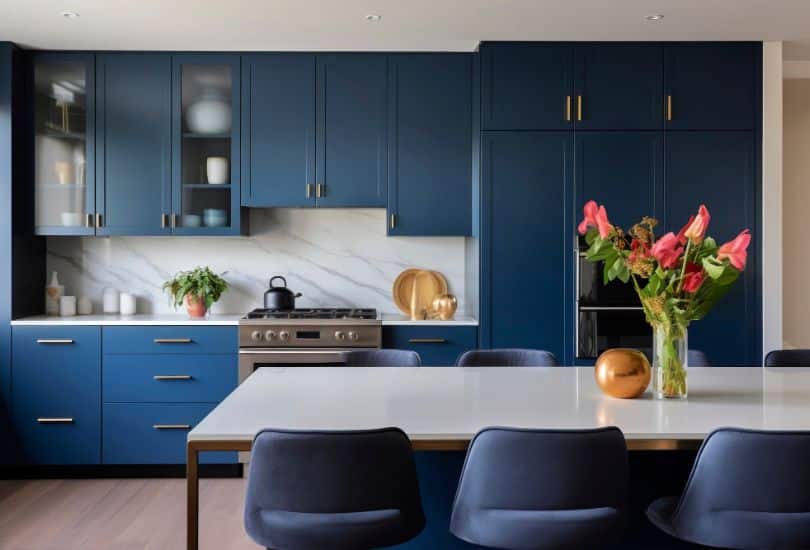
Cabinet Painting

Carpentry Service
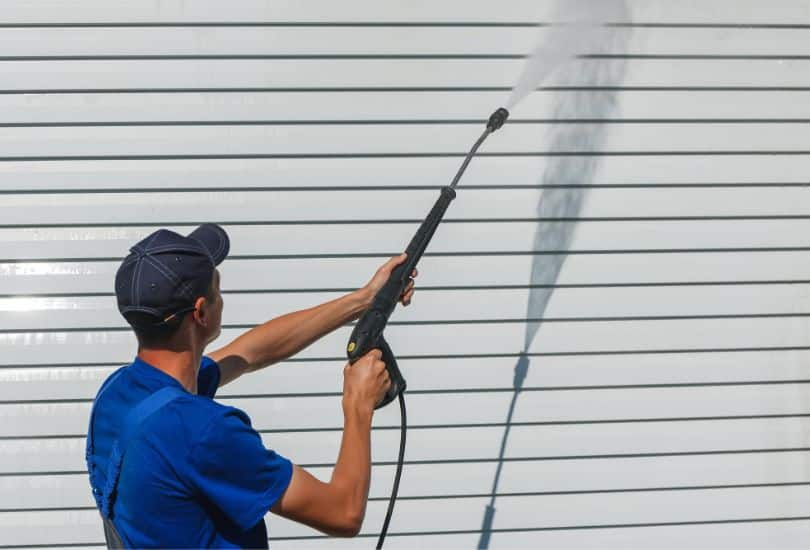
Power Wash Service
Making the Right Decision About Cabinet Painting
Cabinet finishes protect cabinetry surfaces while contributing to the visual design of kitchens and bathrooms.
When coatings begin to fail, cabinets may appear worn, discolored, or uneven.
Refinishing cabinetry early helps preserve cabinet durability while restoring the appearance of interior spaces.
Schedule a cabinet painting consultation with Marco’s Painting today.
