

- Fully Licensed & Insured
- Trusted for 3+ Years
Residential Painter Services
Licensed, Insured, and Process-Driven Residential Painting Professional Serving Southern New Hampshire
Marco’s Painting provides specialized residential painter services for homeowners throughout New Hampshire, delivering professional painting solutions designed to restore interior and exterior surfaces while preserving the structural integrity and visual quality of residential properties.
A professional residential painter performs much more than applying color to walls. Residential painting involves a structured technical process that includes surface inspection, preparation, primer application, coating compatibility analysis, and controlled finish execution. This process ensures that paint coatings perform properly and remain durable over time.
If your home requires repainting or surface restoration, schedule a residential painting evaluation to determine the correct preparation and coating system.
- Fully Licensed & Insured Local Company
- High-Quality, Home-Grade Finishes
- Clean, Meticulous, Family-Friendly Process
- Beautiful, Long-Lasting Interior & Exterior Results
5-Star Reviews • Fully Licensed & Insured • Serving All of New Hampshire
Is Interior Painting Really Necessary?
Paint coatings serve two primary functions in residential properties:
surface protection
visual consistency
Over time, environmental conditions and everyday household activity degrade paint coatings, reducing both their protective function and appearance.
A professional residential painter becomes necessary when paint coatings can no longer maintain adhesion, durability, or uniform color coverage.
Common conditions that indicate a home requires residential painting include:
- Scuff damage and abrasion on walls
- Uneven color fading across rooms
- Peeling or cracking paint layers
- Water stains near ceilings or windows
- Sunlight exposure causing color degradation
- Surface wear in hallways and living areas
- Paint failure due to humidity or moisture
Delaying repainting after these signs appear often leads to greater surface damage and more extensive preparation work later.
A professional residential painter restores surface protection, interior brightness, and consistent finishes across the home.
Homes That Commonly Require Residential Painting
Residential painting services are required across many types of homes where interior and exterior surfaces experience daily use and environmental exposure.
| Residential Property Type | Why Painting Is Required |
|---|---|
| Single-Family Homes | Maintain interior finishes and exterior protection |
| Townhouses | Preserve shared exterior surfaces and interior rooms |
| Condominiums | Maintain living environments and resale value |
| Apartment Units | Prepare units for tenant turnover |
| Vacation Homes | Restore surfaces after seasonal use |
| Renovation Projects | Provide final surface finishing |
| New Construction Homes | Apply first protective coating system |
These environments require periodic painting to maintain durability, cleanliness, and visual consistency.
- WHAT WE OFFER
What’s Included in Our Residential Painter Service
Residential painting is performed as a multi-stage process designed to ensure proper coating performance and long-term durability.
1. Initial Consultation and Needs Assessment
Every project begins with a conversation, in person or by phone, to understand the homeowner’s goals, timeline, budget parameters, and specific concerns. For pre-1978 homes, lead paint risk is identified and disclosed at this stage. For homes being prepared for sale, color strategy and neutral palette selection are discussed. For cabinet painting projects, substrate condition and finish quality expectations are set. The consultation phase exists to align scope, expectation, and budget before any commitment is made, eliminating the misalignments that cause disputes later.
2. On-Site Assessment and Written Estimate
Marco’s Painting conducts an on-site walkthrough of every surface in scope. Substrate condition, existing coating adhesion, repair requirements, access complexity, and product specification are documented. The output is a written estimate that itemizes scope by surface, material specification, primer requirements, number of coats, and labor, with no assumed inclusions and no undisclosed charges. For pre-1978 properties, EPA RRP compliance scope is explicitly included in the estimate. A written estimate is not a formality, it is the contractual foundation of a professional project.
3. Surface Preparation
Surface preparation is the most technically consequential phase of any residential painting project. According to PDCA Standard P1, inadequate surface preparation is the primary cause of residential coating failure, not paint quality, not application method. Preparation scope includes power washing of exterior surfaces, degreasing of kitchen surfaces, mold and mildew treatment of bathroom and basement surfaces, scraping and sanding of deteriorated existing coatings, caulking of all open joints and penetrations, and cleaning of all surfaces to remove dust, grease, and contamination. No coating system applied over an inadequately prepared surface will perform at its rated service life. Repainting a surface that failed due to inadequate preparation typically costs 80% to 120% of the original project cost, plus any substrate repair scope that accumulated during the failure period. Correct preparation the first time is not a quality preference. It is the lowest-cost outcome.
4. Repair Work
All nail holes, screw holes, gouges, cracks, settlement fractures in plaster, and surface damage are repaired using the correct compound for the substrate and repair depth. Drywall repairs use mesh patch and joint compound, feathered and sanded to blend with the surrounding surface. Plaster repairs, common in Southern NH’s colonial and Cape Cod homes, are filled, reinforced where necessary with fiberglass mesh tape, and sanded smooth. The quality of the finished painted surface is a direct function of the quality of the repair work beneath it. A professional residential painter treats repair work as a distinct skill, not an afterthought.
5. Primer Application
Primer is applied to all bare surfaces, repaired areas, stained surfaces, and any area where existing coating adhesion is compromised. Primer specification is matched to the substrate condition, drywall primer for new or repaired surfaces, stain-blocking primer for water stains and smoke damage, shellac-based primer for tannin bleed on wood trim, bonding primer for surfaces with adhesion risk, and alkali-resistant primer for masonry and concrete. On pre-1978 homes with multiple existing paint layers, primer selection directly affects the stability of the full coating stack. Primer is not an optional cost reduction, it is the technical foundation of a durable finish.
6. Paint Application
Finish coats are applied in the sequence, method, and product specification documented in the written estimate. Ceilings first, walls second, trim last, in that sequence, to maintain clean transitions and avoid finish cross-contamination. A minimum of two finish coats is standard on all residential painting scope. Product selection is based on room function, moisture exposure, traffic level, and VOC requirements, with low-VOC and zero-VOC formulations specified by default for all occupied interior spaces in New Hampshire homes that are sealed through the heating season.
7. Detail Work and Cutting In
All edges, ceiling lines, baseboard transitions, door frames, window casings, and corner angles, are cut in by brush with precision before rolling. Trim, baseboards, crown molding, door frames, and window casings are painted with the finish specified for each surface, with clean separation maintained at every material transition. Cut-in precision is the single most visible quality differentiator between professional and non-professional residential painting work. It is treated as a defined skill requirement, not a variable outcome.
8. Final Inspection and Site Restoration
Every completed project is inspected against the written scope, room by room for interior projects, surface by surface for exterior projects. Coverage completeness, edge precision, sheen uniformity, and the absence of drips, runs, or missed areas are verified. All masking, drop cloths, and protective materials are removed. Furniture is returned to position. Hardware and fixtures are reinstalled. The site is restored to its pre-project condition before the homeowner walkthrough. No project is closed without the homeowner’s explicit sign-off on the completed work.
How a Professional Residential Painter Works Safely
A professional residential painter applies coating systems using the method best suited to the surface, the room, and the occupancy conditions, not the method that is fastest or most convenient. Method selection directly affects film uniformity, edge precision, dry time, VOC dispersal rate, and the safety of occupants during and after application.
| Method | When It Is Used |
|---|---|
| Brush — Angle Sash | Cutting in at all edges, trim painting, door frames, window casings, crown molding, and any surface requiring precision line control |
| Roller — Standard Nap | Flat and low-texture wall surfaces in living rooms, bedrooms, dining rooms, and hallways |
| Roller — Thick Nap | Textured wall surfaces requiring deeper coverage and paint penetration into surface relief |
| HVLP Sprayer | Cabinet painting, built-in millwork, trim runs in unoccupied phases, and factory-smooth finish requirements |
| Airless Sprayer | Exterior siding runs on open properties where production speed and uniform film thickness are required |
| Brush-and-Back-Roll | Primer application on new drywall, repaired surfaces, and exterior wood siding requiring forced substrate penetration |
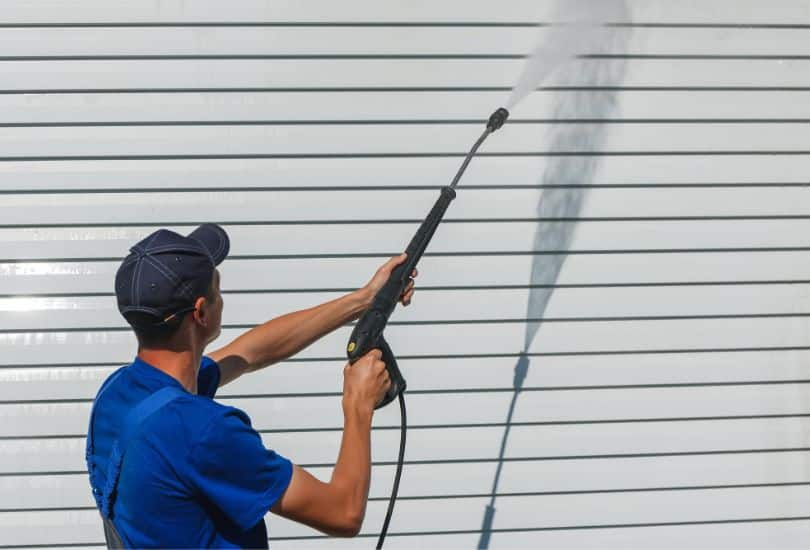
| Soft Wash | Exterior surface cleaning on aged wood, painted brick, or delicate substrates where high-pressure washing would cause damage |
Professional painters also implement ventilation strategies, furniture protection, and masking systems to maintain a safe and clean environment during painting.
Common Residential Surfaces Painted by Professional Painters
Residential painters work across multiple surfaces within the home.
| Surface Type | Purpose of Painting |
|---|---|
| Interior Walls | Improve visual appearance and protect drywall |
| Ceilings | Maintain brightness and hide imperfections |
| Trim and Baseboards | Provide durable decorative finish |
| Doors and Frames | Protect surfaces from wear |
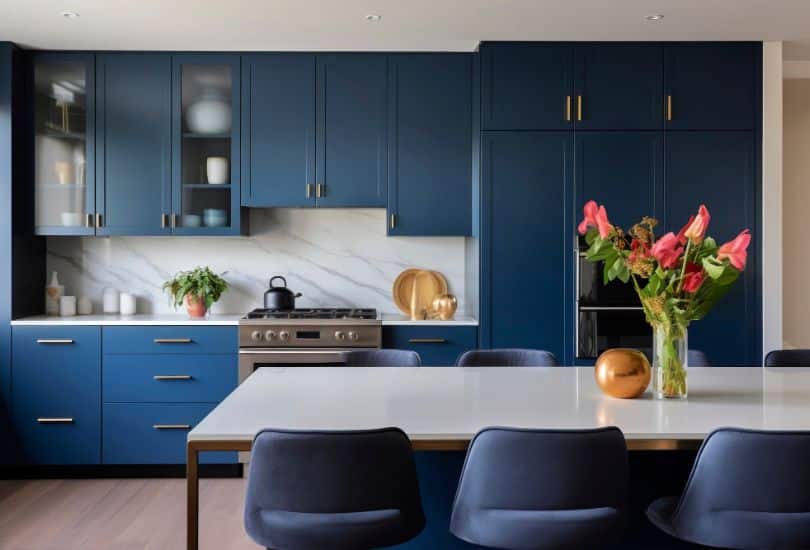
| Cabinets | Restore kitchen and storage surfaces |
| Exterior Siding | Protect building materials from weather |
Common Residential Paint Failures and What Causes Them
Residential paint systems fail primarily due to surface preparation issues, environmental exposure, or incompatible coatings.
| Paint Failure Type | Typical Cause |
|---|---|
| Peeling Paint | Poor surface preparation |
| Cracking Paint | Aging coatings losing flexibility |
| Fading | UV exposure from sunlight |
| Stain Bleed-Through | Missing primer systems |
| Uneven Finish | Improper application technique |
Residential Paint Systems and Coating Technologies
Modern residential painting uses coating systems designed for durability and easy maintenance.
| Paint System | Characteristics |
|---|---|
| Acrylic Latex Paint | Durable and flexible interior coating |
| Low-VOC Paint | Reduces odor and improves indoor air quality |
| Enamel Paint | Durable finish for trim and doors |
| Moisture-Resistant Paint | Ideal for bathrooms and kitchens |
| Primer Systems | Improve adhesion and seal surfaces |
Paint Finish Guide for Residential Spaces
Different paint finishes perform better in specific areas of the home.
| Paint Finish | Best Used For |
|---|---|
| Flat Finish | Ceilings and low-traffic areas |
| Eggshell Finish | Living rooms and bedrooms |
| Satin Finish | Hallways, kitchens, and family rooms |
| Semi-Gloss Finish | Trim, doors, and cabinets |
Signs Your Home Needs a Residential Painter
Homeowners often notice paint deterioration through visible surface changes.
Signs that repainting may be necessary include:
- Wall scuff marks and abrasion
- Peeling paint near windows
- Uneven color fading
- Surface stains from moisture
- Paint wear in high-traffic areas
- Exterior paint deterioration
Residential Painting Pricing in New Hampshire
Residential painting costs depend on surface area, preparation requirements, and coating systems used.
| Scope / Project Type | Estimated Price Range |
|---|---|
| Single interior room — standard size, good condition | $350 — $750 |
| Single interior room — large or damaged, repair scope | $750 — $1,400 |
| Full interior repaint — small home (2BR/1BA) | $2,500 — $4,500 |
| Full interior repaint — medium home (3BR/2BA) | $4,500 — $7,500 |
| Full interior repaint — large home (4BR+) | $7,500 — $14,000 |
| Exterior repaint — small single-story home | $2,500 — $4,500 |
| Exterior repaint — medium home | $4,500 — $7,500 |
| Exterior repaint — large two-story home | $7,500 — $14,000 |
| Cabinet painting — kitchen full set | $1,500 — $4,500 depending on door count and condition |
| Trim, baseboards, and doors only | $800 — $2,500 depending on linear footage |
| Deck painting or staining | $800 — $2,500 depending on size and condition |
Pricing is influenced by:
total surface area
level of preparation required
type of paint system used
accessibility of surfaces
A professional evaluation ensures accurate pricing and project planning.
Residential Painter Compared to Other Options
| Option | What It Delivers | Where It Falls Short |
|---|---|---|
| Unlicensed Painter | Lower upfront price | No insurance, no regulatory compliance, no legal recourse, no warranty — homeowner absorbs all risk including RSA 281-A injury liability |
| General Handyman | Multi-trade convenience | Painting is a secondary skill — surface preparation, product specification, and finish quality are not the core competency |
| DIY Painting | Maximum cost control | Requires equipment investment, technical knowledge, significant time — and repainting a failed DIY surface costs 80–120% of the original scope |
| National Franchise Painter | Brand recognition | Higher overhead costs passed to homeowner, variable crew quality, less local market knowledge |
| Interior Designer (painting add-on) | Design-integrated approach | Painting execution is subcontracted — the designer adds a margin without adding technical painting capability |
| Licensed Residential Painter | Complete professional service: preparation, specification, application, compliance, warranty, and accountability | The only option that closes all dimensions of a residential painting project at the professional standard |
Trust, Safety and Compliance
Residential painting requires safe work practices to protect both home occupants and property surfaces.
Marco’s Painting follows safety procedures including:
protective masking and containment
safe surface preparation methods
low-odor coating systems
careful property protection
These procedures ensure projects are completed safely and efficiently inside occupied homes.
Why Choose Marco’s Painting for Residential Painting Services?
Marco’s Painting operates as a specialized residential painting contractor serving homeowners across New Hampshire.
Our approach focuses on:
thorough surface preparation
durable coating systems
consistent finish quality
controlled project execution
Our services are frequently requested by:
homeowners maintaining living spaces
homeowners preparing homes for sale
new homeowners preparing move-in projects
renovation projects requiring final finishing
Homes in New Hampshire experience seasonal humidity and weather changes that affect paint performance. Our painting process accounts for these environmental factors.
Custom Painting for Every Style of Home
Every project is tailored to your home’s character, architecture, and natural light, ensuring a finish that feels harmonious and intentional.
A Google Guaranteed Painting Company
We uphold a reputation for clean work, dependable timelines, and exceptional results. No shortcuts, no messes, just beautiful painting.
Locally Trusted Residential Experts
Homeowners rely on our respectful process, clean execution, and detail-oriented finishes that stand the test of time.
Certified, Professional Craftsmanship
Our licensed and insured team delivers painting done with care, precision, and mastery, inside and out.
What Our Clients Say?
Real feedback from homeowners who trust our Residential Painting Services for clean work, friendly service, and beautiful results, every single time.
Posted onTrustindex verifies that the original source of the review is Google. Fast, clean, on time ...very affordable..Posted onTrustindex verifies that the original source of the review is Google. We were so happy with Marcos! He did an amazing job removing this old wallpaper throughout the house and painting the trim and walls! Looks brand new!! Would highly recd!!!Posted onTrustindex verifies that the original source of the review is Google. I Hired Marco for Interior painting last week, We are Very Happy with the Quality attention to detail , he's crew is professional, clean cut , not a drop of paint on the floor , they covered everything from using drop clothes , plastic my furniture. We are booking with him in a couple weeks for the exterior rot repairs and a fresh coat of paint on the exterior. I highly recommend Marco and his teamPosted onTrustindex verifies that the original source of the review is Google. Would hire them again. Marcos was very polite and accommodating. His crew did a very fine job, they were careful with our property using drop cloths and the finished work was impeccable.Posted onTrustindex verifies that the original source of the review is Google. Excellent interior painting work — clean lines, smooth finish, and great attention to detail. The place looks fresh and professionally done. Highly recommend!Posted onTrustindex verifies that the original source of the review is Google. Super recommended! They did a nice clean job. The owner gave me excellent recommendations, and made sure everything was done as promised.Posted onTrustindex verifies that the original source of the review is Google. I hired Marcos's painting for an interior job in my house and he went above and beyond my expectations!Posted onTrustindex verifies that the original source of the review is Google. We recently had our entire house painted by Marco's Painting, and we couldn't be happier with the results! The painters were professional, punctual, and incredibly clean. They took great care to prep the walls and use masking tape, ensuring a flawless finish. The colors were exactly what we wanted, and the paint job looks fantastic. The team was always communicative and addressed any questions we had promptly. We would highly recommend Marco's Painting to anyone looking for a professional and reliable painting company!Posted onTrustindex verifies that the original source of the review is Google. I recently had my house painted by Marcos, and I couldn’t be happier with the results! He did an absolutely beautiful job every detail was handled with care and precision. The finish looks amazing, and the whole house feels refreshed and vibrant. Marcos was professional, reliable, and easy to work with from start to finish. His attention to detail and commitment to quality really stood out. I would highly recommend Marcos to anyone looking for top-notch painting work. I’ve already told my friends and family about the great job he did, and I’ll definitely call him again for future projects!Posted onTrustindex verifies that the original source of the review is Google. I am grateful for the service from Marcos’s Painting provided in my home, for the punctuality, professionalism and quality, I highly recommend itVerified by TrustindexTrustindex verified badge is the Universal Symbol of Trust. Only the greatest companies can get the verified badge who has a review score above 4.5, based on customer reviews over the past 12 months. Read more
Technical Standards and Industry References
Professional residential painting follows recognized industry standards.
Painting Contractors Association (PCA)
Provides guidelines for surface preparation and paint application.
Sherwin-Williams Professional Coating Systems
Provides technical specifications for high-performance residential paint systems.
- Frequently Asked Questions
Frequently Asked Questions — Commercial Painting Services in New Hampshire
How do I verify that a residential painter is licensed in New Hampshire?
New Hampshire contractor license status can be verified through the New Hampshire Office of Professional Licensure and Certification (OPLC) online license lookup tool at oplc.nh.gov. Any residential painting contractor operating in New Hampshire is required to hold a valid license. Before signing any painting contract, verify license status independently, do not rely solely on the contractor's claim of licensure. Marco's Painting license information is available upon request and included in every written contract.
What is the difference between a licensed painter and an unlicensed painter?
A licensed residential painter in New Hampshire has met state requirements for professional accountability, carries required insurance coverage, and operates under a license that creates legal recourse for the homeowner if standards are not met. An unlicensed painter operates outside this framework, with no regulatory accountability, typically no insurance, and no license exposure that creates professional consequence for substandard work. Under New Hampshire RSA 281-A, hiring an uninsured painter also creates direct statutory liability for the homeowner if a worker is injured on the property. The homeowner absorbs all risk when hiring an unlicensed, uninsured contractor.
How long does a full residential painting project take?
A single interior room in good condition takes one to two days. A full interior repaint of a medium-sized home (three bedrooms, two bathrooms, living areas) takes five to ten working days depending on surface condition and repair scope. A full exterior repaint takes three to seven days for a typical single-family home, longer for two-story properties or those requiring extensive preparation. A detailed timeline is provided in every written proposal.
Do I need to be home during the painting project?
You do not need to be present throughout the project, but an initial walkthrough at project start and a final inspection walkthrough at completion are strongly recommended. For full exterior projects, occupancy is not disrupted. For full interior projects, a phased room-by-room approach allows normal home occupancy throughout the project for most households.
What paint brands does Marco's Painting use?
Marco's Painting specifies professional-grade coatings from Sherwin-Williams and Benjamin Moore, the product lines recommended by the Paint Quality Institute for New Hampshire's cold-climate residential applications. Specific products are selected based on substrate type, room function, moisture exposure, and VOC requirements. The exact product specified for your project is documented in your written estimate.
How does Marco's Painting handle homes with lead paint?
For homes built before 1978, Marco's Painting implements EPA RRP Rule (40 CFR Part 745) compliant work practices, including containment procedures, lead-safe application methods, and proper disposal of lead-containing debris. With approximately 63% of Nashua's housing units built before 1980, this is a routine operational capability, not a specialty service. Written RRP compliance documentation is provided at project close.
What warranty does Marco's Painting provide on residential painting work?
Marco's Painting provides a written two-year workmanship warranty on all residential painting projects, covering defects in application quality including peeling, flaking, and finish failure resulting from workmanship errors. The warranty is documented in the written contract and applies to all interior and exterior residential painting scope. Material warranties are provided separately by the paint manufacturer, Sherwin-Williams and Benjamin Moore both offer product warranties on professional-grade exterior and interior lines when applied within manufacturer-specified conditions, which Marco's Painting documents on every project. Warranty claims are addressed with a site visit within five business days of written notice.
How far in advance should I schedule a residential painter in New Hampshire?
For interior projects, scheduling two to four weeks in advance is typically sufficient year-round. For exterior projects, the application window in New Hampshire runs mid-May through mid-October, a period of approximately 150 usable days. Peak demand runs June through September, and scheduling three to six months in advance for summer exterior projects is strongly recommended to secure preferred dates. Spring exterior scheduling typically opens in February and fills quickly.
How do I get started?
Contact Marco's Painting to schedule a no-obligation on-site consultation and written estimate. Every surface in scope will be assessed, substrate conditions documented, repair requirements identified, and a complete written proposal delivered, including product specification, scope breakdown, timeline, insurance credentials, and two-year warranty terms.
Residential Painting Services Couverage
Refresh your home with our professional residential painting services. From walls and ceilings to trim and doors, we deliver high-quality, long-lasting finishes with meticulous attention to detail. Our licensed and insured team ensures reliable, professional, and hassle-free results for every home.
Services Areas
Premium Painting, Lasting Impressions
From detailed interior walls to full exterior facades, our certified Painting Contractor team delivers results tailored to your space.
At Marco’s Painting, we blend craftsmanship, surface expertise, and quality products to elevate your home or business with care.
Discover our painting solutions and take the first step toward a flawless transformation today!
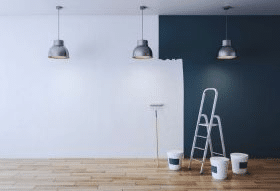
Interior Painting
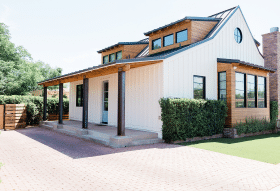
Exterior Painting
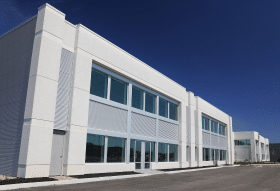
Commercial Painting
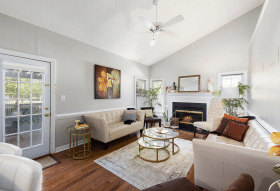
Residential Painting
Cabinet Painting

Carpentry Service
Power Wash Service
Making the Right Decision About Residential Painting
Residential paint coatings protect surfaces and maintain comfortable living environments.
When paint coatings deteriorate, surfaces can become worn, stained, or uneven, reducing both aesthetic quality and surface protection.
Addressing repainting needs early helps maintain home appearance, surface durability, and long-term property value.
Schedule a residential painting consultation with Marco’s Painting today.
